Roundup
Best Water Shoes for Kids (2026)
Six kids' water shoes by terrain, from closed-toe rock protection down to cheap slip-ons.
Category
A rocky lake bottom needs a closed toe. A splash pad does not. The difference is the whole decision.
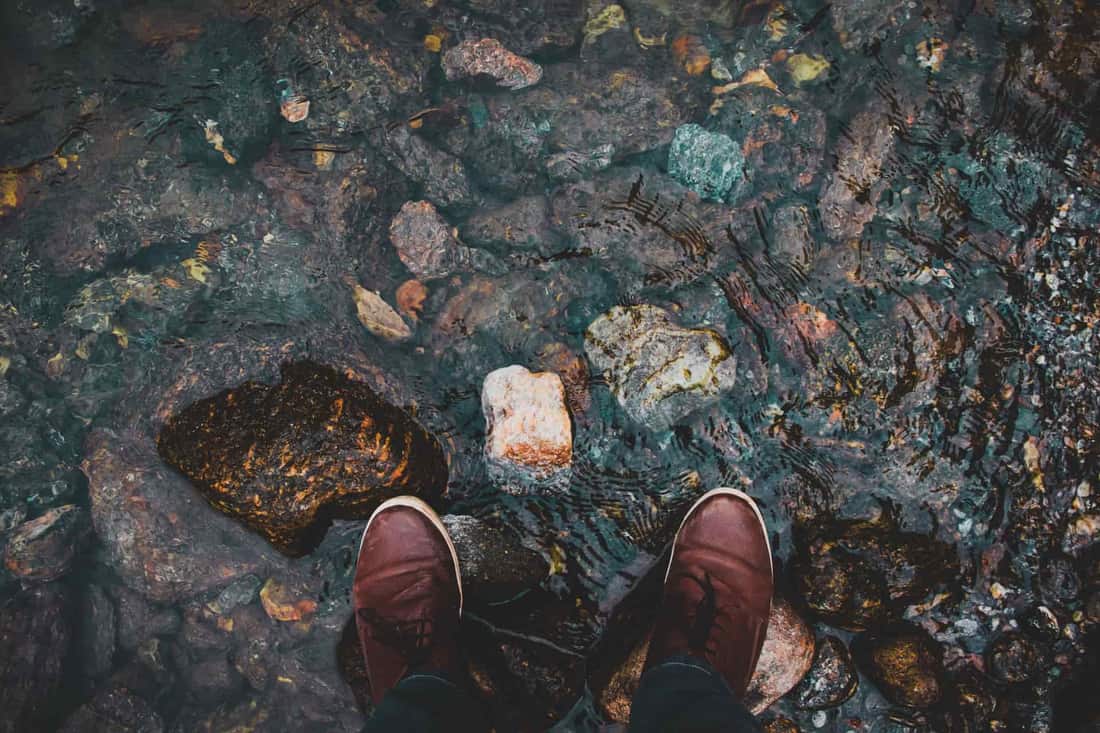
Whether your family needs water shoes depends almost entirely on the bottom you swim off. A sandy beach or a pool deck needs nothing more than grip. A rocky, weedy lake bottom — the kind most inland swimming actually happens on — needs a closed toe and a real sole, because the injury that ends the afternoon is a stubbed or cut toe on a submerged rock.
That single question sorts the whole category. Closed-toe water sandals protect; molded clogs and slip-ons are convenient; neoprene socks add warmth and stop chafe but protect against almost nothing. They are not competing products, they are different tools.
The second issue is whether the shoe stays on. A shoe without a heel strap comes off a kicking foot in deep water, which is why so many lake bottoms have a single Croc sitting on them.
Our picks
Roundups with a top pick, a cheaper pick and an upgrade.
Roundup
Six kids' water shoes by terrain, from closed-toe rock protection down to cheap slip-ons.
Roundup
Water shoes across four designs, from closed-toe sandals to neoprene socks.
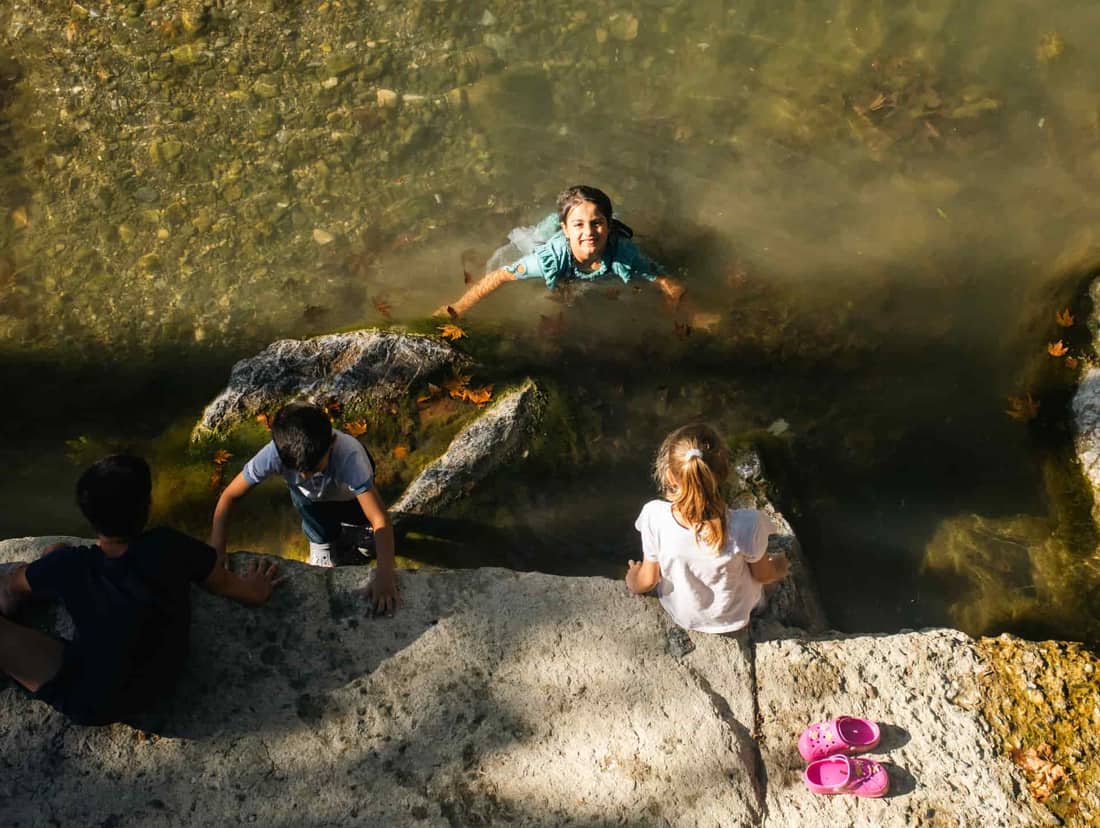
Photos on this page are licensed images that illustrate the category. They are not photographs of the specific products named, and no product image here is supplied by a manufacturer or retailer.
Straight comparisons
Decision tables for the choices people get stuck on.
Comparison
Protection versus warmth, compared on the seven things that actually differ.
Comparison
Water shoes, sport sandals and flip-flops compared for a real lake day.
Guides
Sizing, fit, care and the questions that come up most.
Guide
Where water shoes are essential, where they are optional, and where they are a waste.
Guide
What a rocky bottom actually requires, what mussels change, and how to walk it safely.
Rock, gravel, mussels or sharp weed: a closed-toe water sandal with a lugged rubber outsole. Nothing softer is adequate; an EVA clog sole flexes around a rock rather than shielding you from it.
Sand, pool decks, splash pads: a slip-on water shoe or a molded clog with a heel strap. The job here is grip on wet concrete and keeping hot surfaces off bare feet, and a thin rubber sole does it for very little money.
Cool water, or feet that blister: neoprene socks, worn alone for warmth or inside a shoe to stop chafe. They are cheap, they pack to nothing, and they are the only thing in this category that addresses temperature.
Water shoes should fit snugly — closer than a street shoe. A loose water shoe fills, pumps water with every step, and slides on the foot, which is how blisters start. Most brands run true to street size, but width varies a great deal: Native runs narrow, Crocs run wide, KEEN sits in the middle. Width, not length, is the usual sizing failure.
Drainage matters as much as fit. Open side panels and perforated soles let water out as fast as it comes in; a solid upper turns the shoe into a bucket. And look for a heel strap or a bungee cinch on anything that will be worn in water over ankle depth — without one, the shoe floats off.
A cheap slip-on lasts a season and is genuinely fine for flat surfaces. A closed-toe water sandal costs three or four times as much and reliably gets handed down to a sibling, which changes the arithmetic if you have more than one child. For a growing foot, the cheap pair is usually the better buy unless the terrain demands otherwise.
Rinse them in fresh water and dry them properly. Grit left inside is what causes the rubbing that makes a child refuse to wear them, and a shoe stored damp in a bag will smell within days. Our sizing guide covers measuring a growing foot, and do kids need water shoes answers the question honestly for families who may not need any.
Questions
Start here
These two guides connect every category on the site — what to buy first when you are outfitting several people, and what to put in the bag before you leave.