Water Shoes · Roundup
Best Water Shoes for Women (2026)
Three picks, plus the honest note that most of this category is unisex and sized badly.
The short answer
The KEEN Newport H2 is the pick for women: a closed toe with a lugged rubber outsole, a bungee lace that adjusts around a narrow or a wide foot, and the only construction here that protects toes on a rocky lake bottom.
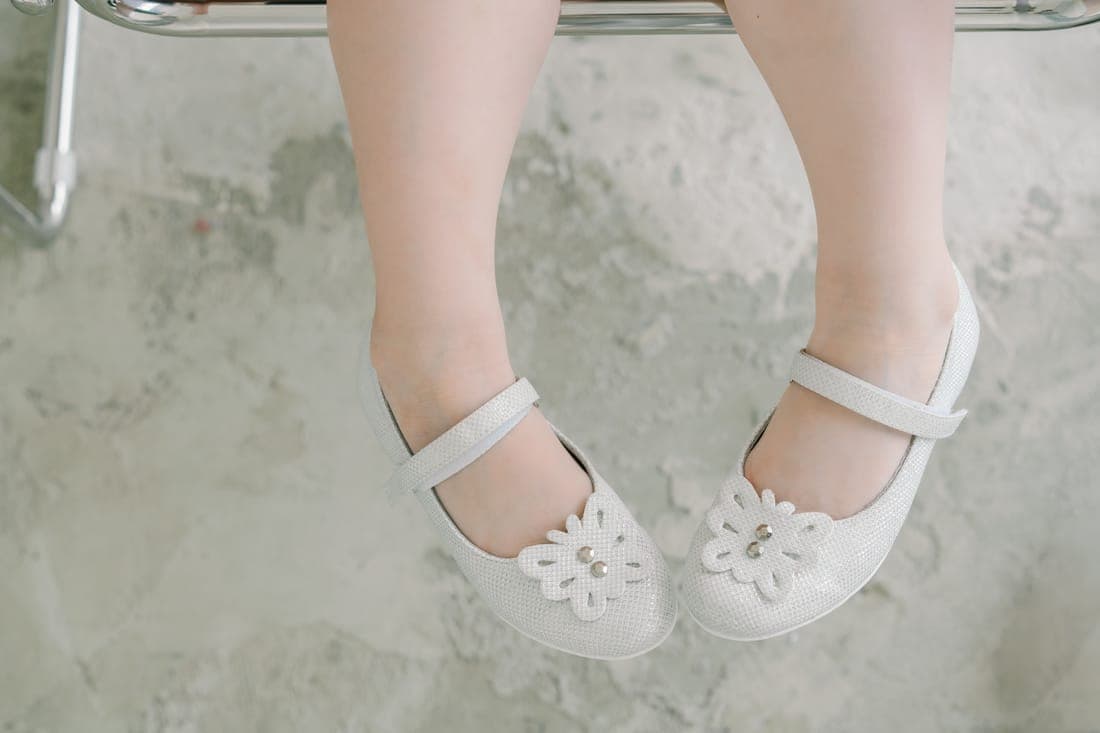
Product photos are the retailer’s own catalogue images, shown from the retailer’s servers and refreshed daily. Any other photo here is a licensed image that illustrates the category, not a photograph of the specific product named.
| # | Product | Best for | Toe | Price |
|---|---|---|---|---|
| 1 | 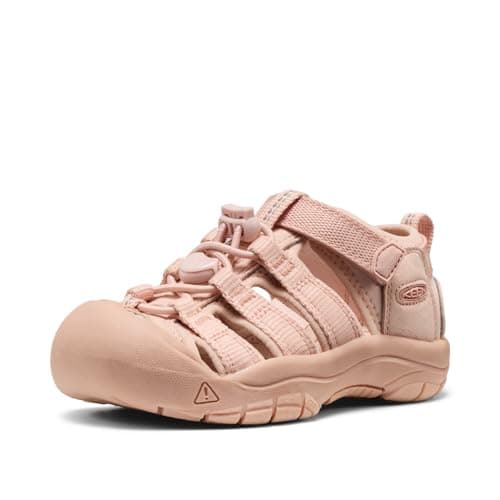 Top pick KEEN Newport H2 A closed-toe water sandal with a real rubber outsole — the only style that protects toes on a rocky shoreline. | Rocky lake bottoms | Closed, rubber bumper | |
| 2 | 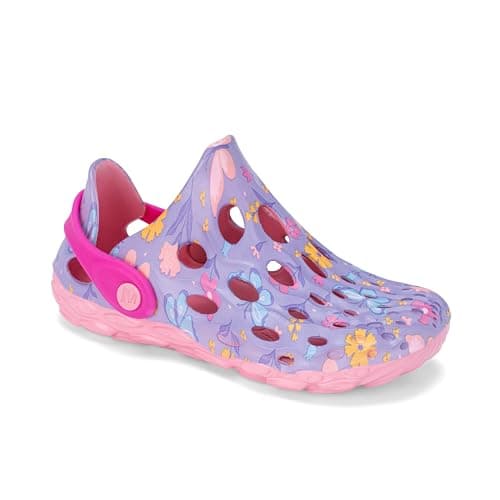 Also good Merrell Hydro Moc A one-piece molded clog with a heel strap, which is a clog that actually stays on in water. | On and off all day | One-piece molded EVA | |
| 3 | 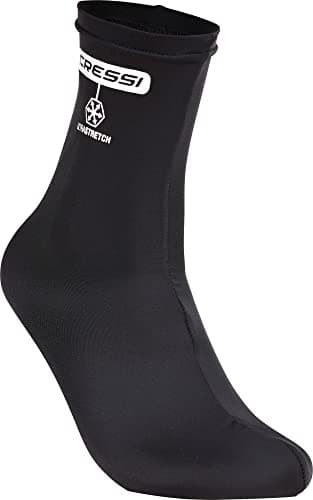 Budget pick Cressi Neoprene Water Socks Thin neoprene socks: warmth and chafe protection, essentially no sole, and not a substitute for a shoe. | Warmth and blister prevention | Neoprene, thin |
Most water shoes are unisex, and that is the fit problem
Worth knowing before you shop: the great majority of water shoes are drafted as one last and offered across a size run, with a women's size number applied on top. A few brands cut a genuine women's last — narrower heel, lower instep volume — and the rest do not.
That is why two shoes in the same stated size fit completely differently, and why the most common complaint in the category is heel slip. A heel that lifts in a wet shoe is not a minor annoyance: the shoe pumps water with every step, and the rubbing starts within an hour.
The practical answer is to shop for adjustability rather than for a women's label. A bungee lace, a hook-and-loop strap or an adjustable heel strap lets you take up the volume a unisex last leaves over a narrower foot, which is the one thing a women's-specific size number does not do for you.
The second practical answer is to measure in centimeters and compare against the brand's own chart. Water shoe sizing varies more between brands than almost any other footwear, and a US number is close to meaningless across brands here.
KEEN Newport H2
A closed-toe water sandal with a real rubber outsole — the only style that protects toes on a rocky shoreline.
Specifications
- Toe
- Closed, rubber bumper
- Outsole
- Non-marking rubber, lugged
- Closure
- Bungee lace
- Drainage
- Open side panels
What works
- The closed toe bumper is the feature — stubbed toes on submerged rocks are the actual injury at a lake
- Lugged rubber outsole grips wet rock and algae-covered boat ramps
- Bungee lace cinches once and stays, so it does not come off in mud
- Genuinely lasts long enough to hand down to a sibling
What doesn’t
- Heaviest option here and the slowest to dry
- Most expensive kids' water shoe in the category
Who it’s for
A child at a rocky, weedy or gravelly lake, or one who walks in and out of the water all day.
Bottom line
The lake pick. If the bottom is rock or the shore is gravel, nothing else in this list is adequate.
Merrell Hydro Moc
A one-piece molded clog with a heel strap, which is a clog that actually stays on in water.
Specifications
- Construction
- One-piece molded EVA
- Heel
- Adjustable strap
- Weight
- Very light
- Drainage
- Open ports
What works
- The heel strap is what separates this from a Croc — it does not float off a kicking foot
- One-piece EVA means nothing to delaminate and nothing to hold sand
- Rinses clean in seconds
- Light enough that children keep them on between water and shore
What doesn’t
- Soft EVA sole offers little protection against sharp rock
- Open design lets grit in, which then has to be rinsed out
Who it’s for
Children on sandy beaches, splash pads and docks who take shoes on and off twenty times a day.
Bottom line
The convenience pick, and a good one. Not the shoe for a rocky bottom.
Cressi Neoprene Water Socks
Thin neoprene socks: warmth and chafe protection, essentially no sole, and not a substitute for a shoe.
Specifications
- Material
- Neoprene, thin
- Sole
- Minimal grip print
- Purpose
- Warmth, chafe protection
- Sizes
- Child and adult
What works
- Keeps feet warm in cool water, which nothing else in this category does
- Stops fin and shoe chafe, the reason most people buy them
- Packs to nothing in a swim bag
- Cheap, and a genuinely different tool from a water shoe
What doesn’t
- Almost no puncture protection — a sharp rock or a shell goes straight through
- Slippery on wet boat ramps and dock boards
Who it’s for
Cool-water swimmers, anyone wearing fins, and children who blister inside water shoes.
Bottom line
Buy socks for warmth and chafe, shoes for protection. Wearing socks inside shoes covers both.
What to look for
A closed toe, if the bottom is hard. A rubber toe bumper over a lugged outsole is the only construction that genuinely protects against submerged rock, gravel and zebra mussel shells. Everything softer flexes around a rock rather than shielding you from it.
An adjustable closure. Bungee lace or a hook-and-loop strap. On a unisex last this is how you fix a loose heel, and it is the feature that decides whether the shoe is comfortable or a blister factory.
Real drainage. Open side panels plus a perforated or ported sole. A solid upper makes the shoe a bucket — heavy, slow and prone to rubbing. Drainage is the one spec that separates a water shoe from a wet sneaker.
Arch support, if you need it on land. Most water shoes have flat, minimal footbeds because they are built to drain. If you walk a trail to the water, a cushioned footbed in a sport-sandal construction is worth the extra weight; if you only wade, it is not.
Quick-drying materials throughout. Webbing, EVA and mesh dry in an afternoon. Padded fabric linings stay damp overnight, start to smell within days, and are the reason a shoe gets left behind on the next trip.
Match the shoe to where you stand
| Where you are | What to buy | Why |
|---|---|---|
| Rocky or shell-covered lake bottom | Closed-toe sandal, lugged sole | Toe protection and grip on wet rock |
| Sandy beach, warm water | Molded EVA slip-on with heel strap | Light, instant drying, cheap |
| Cold water, long sessions | Neoprene socks, alone or inside a shoe | Warmth and chafe protection |
| Trail walk then swim | Sport sandal, cushioned footbed | Comfortable on land, adequate wading |
| Kayak or paddleboard | Low-volume closed-toe, snug | Stays on, no snag points |
| Wide feet | Bungee or strap closure, open construction | Adjust volume rather than length |
Sizing a unisex water shoe
- Measure both feet in centimeters, standing, at the end of the day when feet are at their largest.
- Use the longer foot and read the brand's own centimeter chart rather than converting a US number from another brand.
- Allow about a thumb's width of room at the toe, no more. A water shoe should fit closer than a street shoe; a loose one fills and pumps.
- Check the heel, not the toe. If the heel lifts when you walk, the shoe is too big in volume even if the length is right, and an adjustable closure is the fix.
- Try them on wet if you can. Fabric uppers relax slightly in water, so a shoe that is perfect dry can be loose wet.
The longer version of this method, including what to do with a foot between sizes, is in water shoe sizing guide.
The youth-size route, if you have smaller feet
If you wear a small women's size, the youth range of the same brands is worth checking. The constructions are often identical and youth pricing is frequently lower, which for a shoe that gets thrashed in a lake is a real saving rather than a compromise.
The catch is that youth-to-women conversions differ by brand, so measure in centimeters and read the brand's youth chart rather than applying a rule of thumb. The youth options are in best water shoes for kids.
Neoprene socks are not a cheaper water shoe
They are a different product solving a different problem: warmth in cold water and chafe protection inside another shoe. The sole is a grip print rather than a real outsole, so they do not protect against rock and they are not a substitute for a closed-toe shoe on hard ground.
Where they are excellent is inside a sandal on a cold morning, and as the thing that stops a strap rubbing on a long day. The full comparison is in water shoes vs water socks.
The same terrain logic, with men's-sized models and the instep-volume notes that go with a bigger foot, is in best water shoes for men.
Questions
Frequently asked questions
What are the best water shoes for women?
Are women's water shoes different from men's?
How should women's water shoes fit?
What water shoes work for wide feet?
Do water shoes have arch support?
Read next