
Roundup
Best Girls' Swimsuits (2026)
Five girls' swimsuits by fabric and fit, plus why chest measurement beats age sizing.
Category
Chlorine-resistant fabric, sizing that accounts for growth, and a straight answer on which suits last.
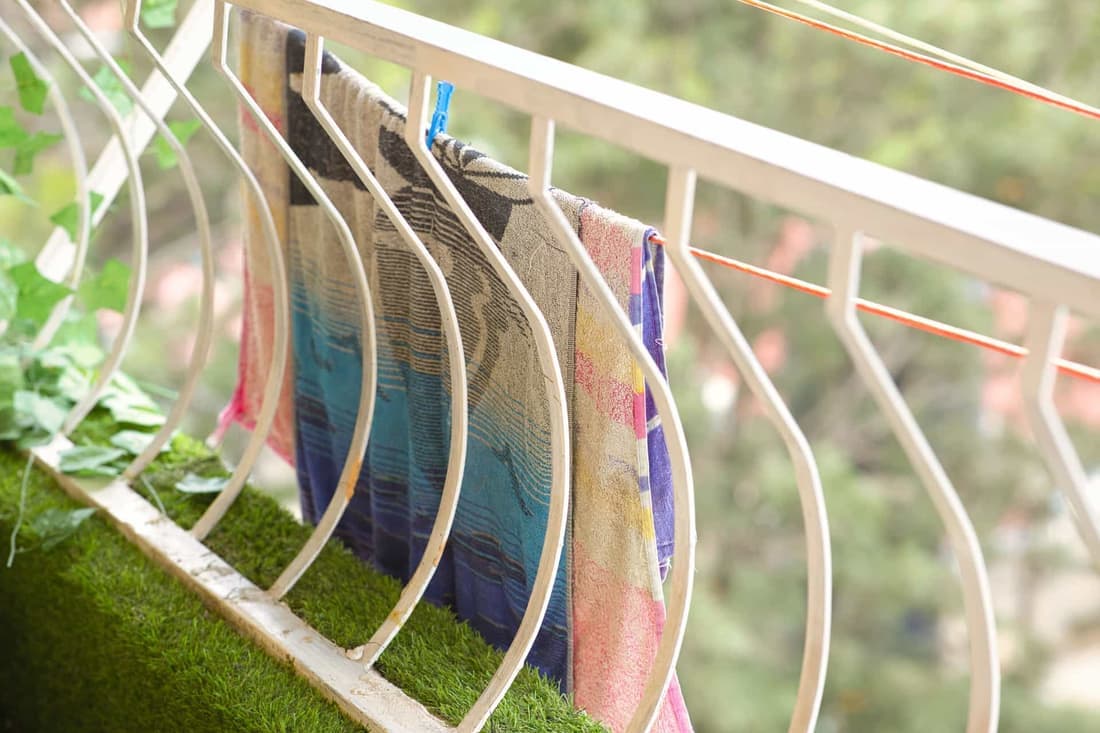
Swimsuits are the single biggest line item when you outfit a family for a summer, and they are also where most money gets wasted. A fashion swimsuit worn to weekly lessons goes thin and see-through by August. A suit bought by age rather than measurement rides up, digs in, and gets abandoned in a drawer. Both problems are avoidable, and neither is solved by spending more.
The two decisions that matter are fabric and fit. Fabric decides how many summers you get: PBT and polyester blends marketed as chlorine-resistant genuinely last several times longer in a chlorinated pool than the nylon-elastane in a fashion suit. Fit decides whether the suit gets worn at all, and for children the fit variable that causes the most trouble is torso length, not chest or waist size.
Everything below is organized by who you are buying for. If you are outfitting more than one person at once, start with the budget guide — it works out what to spend where, and where spending more genuinely buys you a second season.
Our picks
Roundups with a top pick, a cheaper pick and an upgrade.
Roundup
Five girls' swimsuits by fabric and fit, plus why chest measurement beats age sizing.

Roundup
Four boys' swim options, with the length and waistband details that actually matter.

Roundup
Women's swimsuits that survive chlorine, with back styles and torso-length guidance.

Roundup
Men's trunks by inseam, with the pocket and liner details that matter in water.

Roundup
Toddler suits with built-in swim diapers, snap shoulders and UPF — plus the budget case.
Photos on this page are licensed images that illustrate the category. They are not photographs of the specific products named, and no product image here is supplied by a manufacturer or retailer.
Straight comparisons
Decision tables for the choices people get stuck on.

Comparison
PBT versus nylon-elastane, how to read the label, and when the premium is worth paying.
Comparison
What to buy for weekly lessons, and the details instructors actually care about.
Guides
Sizing, fit, care and the questions that come up most.
Guide
Fabric by frequency, cut by body shape, and where to spend across a whole family.
Guide
How to measure properly, how the two sizing systems differ, and when to size down.
Chlorine attacks elastane. A standard fashion swimsuit is roughly 80% nylon and 20% elastane, and in a chlorinated pool the elastane degrades within a season of regular use — the suit goes baggy, then thin, then translucent. Fabrics sold as chlorine-resistant replace most of that elastane with PBT (polybutylene terephthalate), a polyester relative that chlorine barely touches. Speedo calls its version Endurance+, TYR calls its Durafast Elite, Dolfin uses a polyester blend across the Uglies range.
The trade-off is real: PBT stretches less and feels firmer out of the packet. For a child in weekly lessons that is entirely worth it. For a suit worn six times a summer at a lake, it is not — lake water and sunlight are far gentler than chlorine, and a cheaper suit will outlive a season of that easily.
Children's swimsuits sized by age are guesswork. Training brands size girls' suits by chest measurement in inches for exactly this reason — a 26 is a 26 regardless of whether the child is seven or nine. Measure around the fullest part of the chest with a soft tape and buy to the number.
The complaint that turns up most often is a one-piece that rides up and cuts into the shoulders. That is almost never a chest-size problem — it is torso length. A child can be a perfect chest fit and still be too long in the body for a standard cut. Brands that cut generously through the torso solve it; going up a chest size does not, it just gives you a loose suit that still cuts in.
For a family of four, a sensible allocation looks like this. Anyone in the pool weekly gets a chlorine-resistant suit, because the cost per swim is lower even though the sticker price is higher. Anyone swimming occasionally gets the cheapest suit that fits properly. Toddlers get the cheapest option that fits at all, because at that age they outgrow a suit long before they wear it out.
The one exception worth paying for regardless of frequency is sun coverage. A long-sleeve sunsuit or a suit-plus-rash-guard combination covers the shoulders and upper back, where children burn worst and where sunscreen gets missed or washed off. That is a health decision, not a durability one. See the rash guards hub for how UPF ratings work and what they really buy you.
Questions
Start here
These two guides connect every category on the site — what to buy first when you are outfitting several people, and what to put in the bag before you leave.