Swimsuits · Comparison
Chlorine Resistant Swimsuits
It is a fabric, not a finish. Read the fiber content and you will know in five seconds.
The short answer
Genuine chlorine-resistant swimsuits are majority PBT or polyester — often 100% PBT, or polyester with under 20% elastane. Chlorine attacks elastane, so a suit listed as 80% nylon and 20% elastane is a fashion fabric whatever the marketing says. Speedo calls its PBT Endurance+ and TYR calls its Durafast Elite.
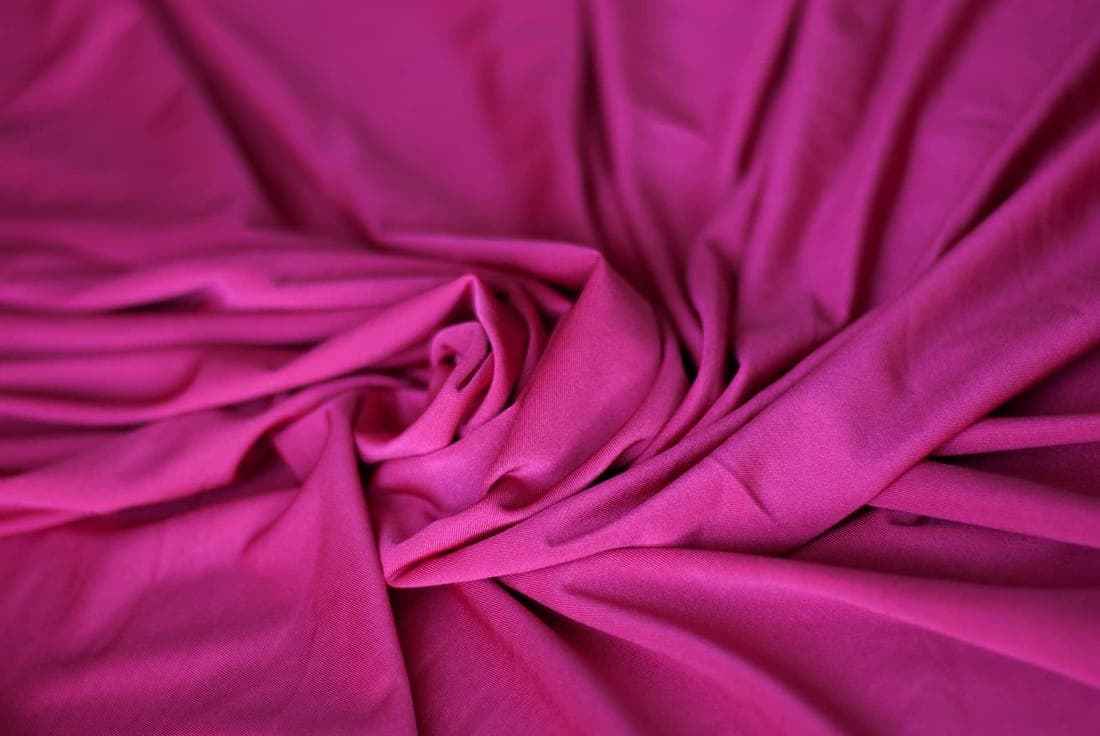
Photos on this page are licensed images that illustrate the category. They are not photographs of the specific products named, and no product image here is supplied by a manufacturer or retailer.
| PBT / polyester | Nylon + elastane | |
|---|---|---|
| Typical content | 100% PBT, or polyester with <20% elastane | ~80% nylon, ~20% elastane |
| Chlorine resistance | Very high | Low — elastane degrades |
| Life in a weekly-use pool | 2-3 seasons | Often under 1 season |
| Stretch | Less | More |
| Feel | Firmer, slightly textured | Softer, smoother drape |
| Shape retention | Excellent | Goes slack |
| Dries | Faster | Slower |
| Price | Roughly double | Lower |
| Brand names | Speedo Endurance+, TYR Durafast Elite, Dolfin polyester Uglies | Most fashion swimwear |
Why chlorine destroys ordinary swimsuits
Elastane — spandex, Lycra — is what gives a swimsuit its stretch and its shape. It is also chemically vulnerable to chlorine, which breaks down the polymer chains over repeated exposure. The visible sequence is familiar to anyone who swims regularly: the suit loses compression, then goes baggy at the seat and the straps, then thins, then becomes translucent when wet.
PBT is a different polymer with its own elasticity, so a 100% PBT fabric stretches without needing elastane at all. There is nothing for the chlorine to attack. That is the whole mechanism, and it is why the difference is so large rather than marginal.
Note what this means: chlorine resistance is not a coating or a treatment that wears off. It is what the fabric is made of, permanently.
How to read a label in five seconds
- Find the fiber content — on the care label or in the online listing's material field.
- 100% PBT, or 100% polyester: genuine chlorine-resistant fabric.
- Polyester with under about 20% elastane: a good chlorine-resistant blend. Most training suits are here.
- Nylon or polyamide with 15-25% elastane: a fashion fabric. It will not survive regular chlorine.
- No fiber content listed: assume fashion fabric. Brands proud of their PBT say so.
Ignore phrases like 'chlorine resistant' in a product title if the fiber content is nylon-elastane. That combination is the tell, and it is common.
Choose chlorine-resistant if...
- Anyone in the family swims in a chlorinated pool weekly or more.
- You are buying for swim lessons or a summer league team.
- You are tired of replacing a suit every season.
- You want the suit to hand down to a younger sibling.
- Compression mattering matters to you — PBT holds it and nylon does not.
Choose standard swim fabric if...
- The swimming is mostly lake, ocean or occasional. Chlorine is the destructive agent; sun and fresh water are far gentler.
- It is for a toddler who will outgrow it in four months regardless.
- Comfort out of the water matters — a softer drape for sitting on a beach.
- Budget is genuinely tight and the suit will be worn a handful of times.
What else you can do about chlorine
Fabric choice does most of the work, and care does the rest. Rinse in cool fresh water immediately after every swim — chlorine left sitting in the fabric keeps degrading it, and a suit rinsed at the pool lasts noticeably longer than one rinsed at home an hour later.
Then: hand wash or machine wash cool, no fabric softener, do not wring, dry flat in shade. Heat and UV both attack elastane, so a tumble dryer or a sunny washing line undoes a lot of the benefit of buying good fabric. And alternate between two suits if you swim often — the fabric recovers between wears.
Our picks
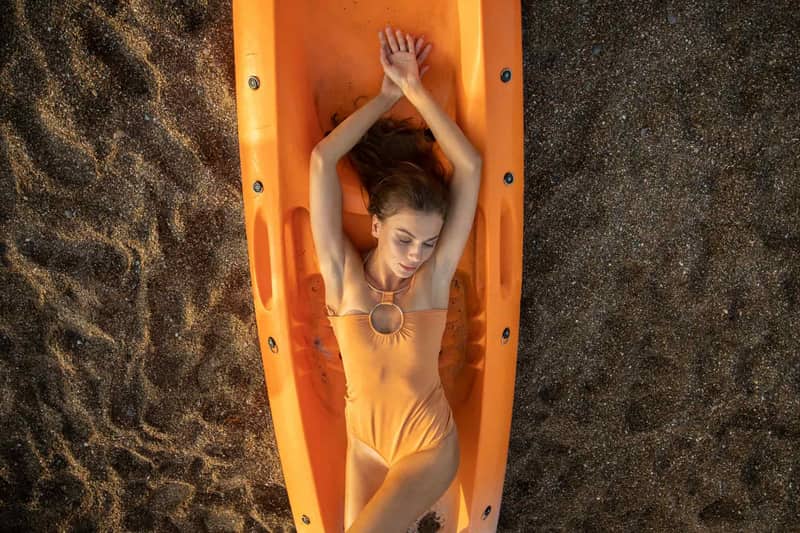
Speedo Women's Endurance+ Super Pro
Endurance+ fabric is the genuine article — it outlasts standard swim fabric several times over in chlorine.
Specifications
- Fabric
- Endurance+ (PBT), 100% chlorine-resistant
- Back
- Super Pro, high coverage
- Sizes
- Women's 28-40
- Lining
- Fully lined
What works
- PBT fabric does not degrade in chlorine — the fabric, not a coating, is what makes this last
- Super Pro back holds the shoulders without cutting in over a long swim
- Holds compression across a full season rather than going slack
- Fully lined, so it stays opaque wet
What doesn’t
- PBT has less stretch than standard swim fabric and feels firmer
- Costs roughly double a fashion one-piece
Who it’s for
A woman swimming laps weekly, or anyone tired of replacing a suit every summer.
Bottom line
Cheaper per swim than any fashion suit. If you swim in chlorine regularly, this is the only sensible fabric.
TYR Women's Durafast Elite Maxfit
TYR's chlorine-proof Durafast Elite in a longer-cut back, for swimmers a standard suit cuts into.
Specifications
- Fabric
- Durafast Elite, chlorine-proof
- Back
- Maxfit, open
- Sizes
- Women's 22-40
- Lining
- Front lined
What works
- Durafast Elite resists chlorine, sunscreen and salt, which is more than most fabrics claim
- Maxfit back is cut longer, so it does not dig at the shoulders on a long torso
- Open back stays cool on outdoor swims
- Genuine size range including smaller and larger sizes
What doesn’t
- Open back gives less sun coverage on the shoulders
- Firm fabric takes a few swims to soften
Who it’s for
Regular swimmers, especially anyone who finds standard one-pieces too short in the body.
Bottom line
The alternative to Endurance+, and better if a standard suit cuts into your shoulders. Both fabrics are the real thing.
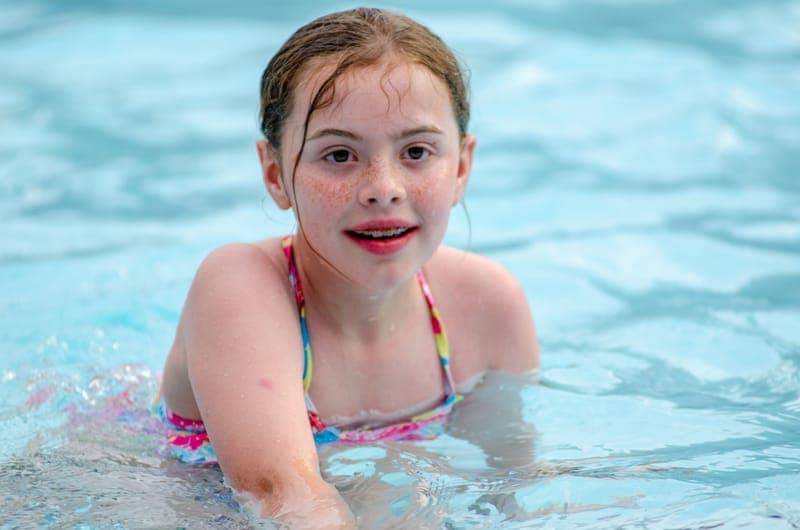
Speedo Girls' Solid Racerback
A plain chlorine-resistant racerback — the suit that survives a full season of weekly lessons.
Specifications
- Fabric
- Chlorine-resistant polyester blend
- Back
- Racerback
- Sizes
- Girls 4-16
- Lining
- Front lined
What works
- Chlorine-resistant fabric holds shape and color where a fashion suit goes see-through by August
- Racerback straps do not slide off shoulders mid-lesson, which is the real reason kids tug at suits
- Full coverage, so a child is not adjusting it every time they climb out
- Cheap enough to own two so one is always dry
What doesn’t
- Plain and unfashionable — older children may object
- Chlorine-resistant fabrics feel stiffer than fashion swim fabric
Who it’s for
A girl in weekly lessons or on a summer team, where a suit gets chlorinated repeatedly.
Bottom line
The workhorse. If your child is in a pool every week, buy this rather than a fashion suit and replace it half as often.
Dolfin Girls' Uglies One Piece
Training-grade chlorine-resistant fabric in loud prints — the compromise between durable and wearable.
Specifications
- Fabric
- Chlorine-resistant polyester
- Back
- V-back and racerback options
- Sizes
- Girls 22-32 (chest)
- Prints
- Wide seasonal range
What works
- Same durability tier as a plain training suit, in prints children actually choose themselves
- Sized by chest measurement rather than age, which fits real bodies far better
- Signature striped straps make it easy to identify in a pile of identical suits
- Holds up through a full competitive season
What doesn’t
- Chest sizing means you have to measure rather than guess
- Prints rotate seasonally, so re-buying the same one next size up may not be possible
Who it’s for
A girl who refuses plain suits but needs training-grade durability.
Bottom line
The pick that ends the argument. Measure the chest before ordering; age sizing does not apply here.
Questions
Frequently asked questions
What fabric is chlorine resistant?
How long do chlorine resistant swimsuits last?
Is Endurance+ the same as chlorine resistant?
Does rinsing a swimsuit really help?
Read next