Roundup
Best Kids' Swim Goggles (2026)
Six kids' goggles by age, with the fit test that predicts whether a pair will leak.
Category
Most goggles leak for one fixable reason. Here is what to measure and what to buy.
Goggles are the cheapest piece of swim gear and the one families replace most often, usually because a pair leaked and got abandoned. Most of those leaks are not defects. They come from a gasket sized for a different face, or a nose bridge that is a size too wide, and both are fixable before you buy.
For children the rule is simple: soft, oversized gaskets seal small faces; low-profile racing gaskets do not. A racing goggle presses a thin silicone lip directly around the eye socket and relies on a precisely matched nose bridge. On a child's face the bridge is rarely right, and the result is a pair that leaks worse than a cheaper, softer one.
For adults the decision is about what you are doing. Low-profile goggles are faster and less comfortable. Wide-lens goggles are slower and far better in open water where you need to see sideways. Neither is better in the abstract.
Our picks
Roundups with a top pick, a cheaper pick and an upgrade.
Roundup
Six kids' goggles by age, with the fit test that predicts whether a pair will leak.
Roundup
Adult goggles for laps, open water and racing, plus what the extra money buys.
Roundup
The cheapest goggles worth owning, and the three things that vanish below the floor.
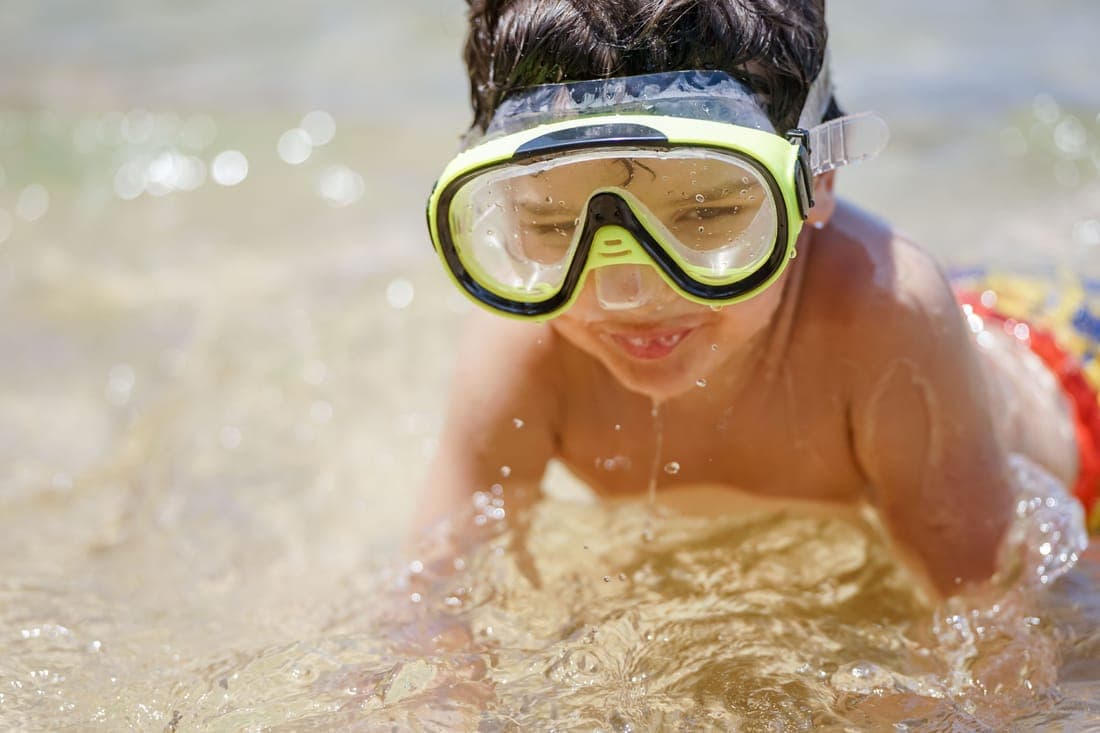
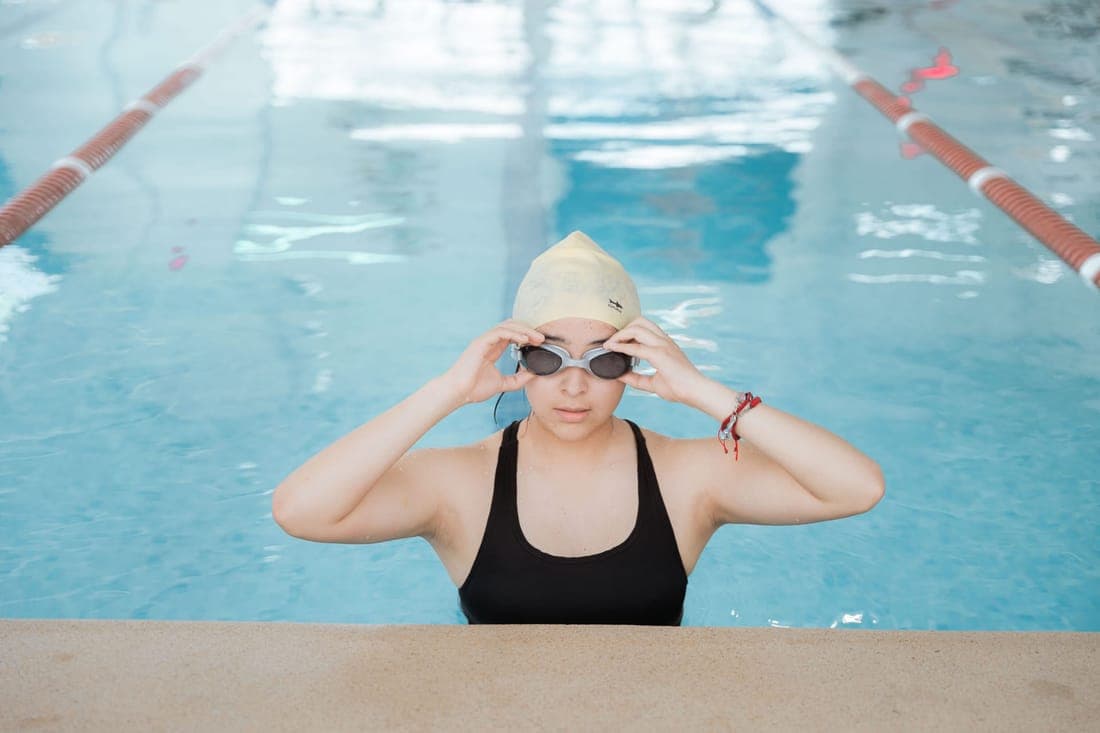
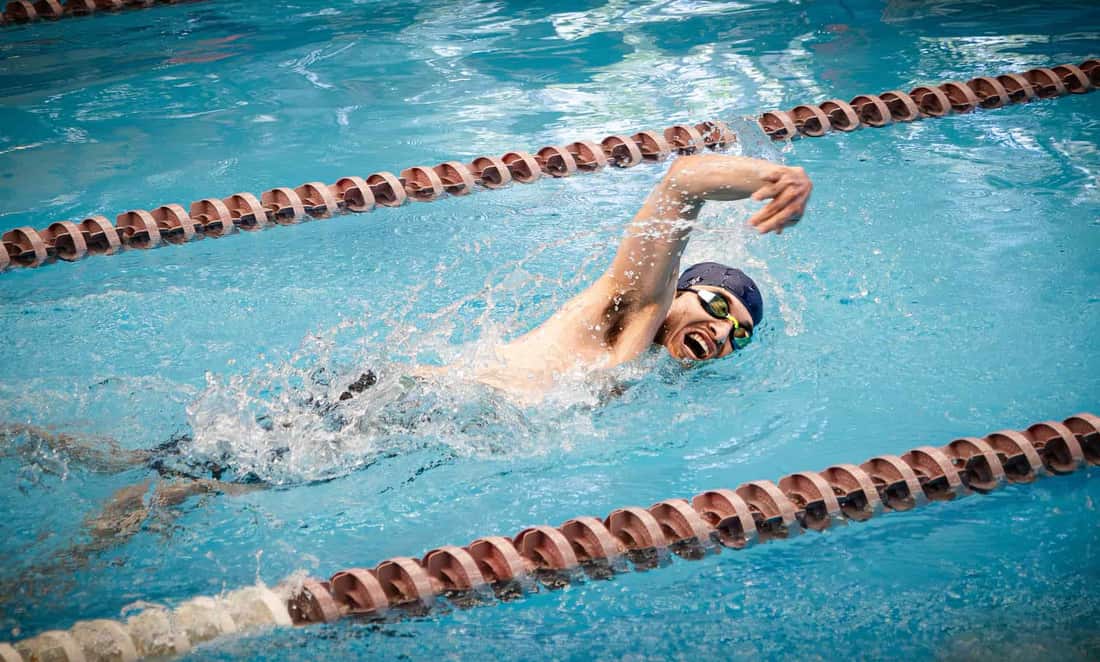
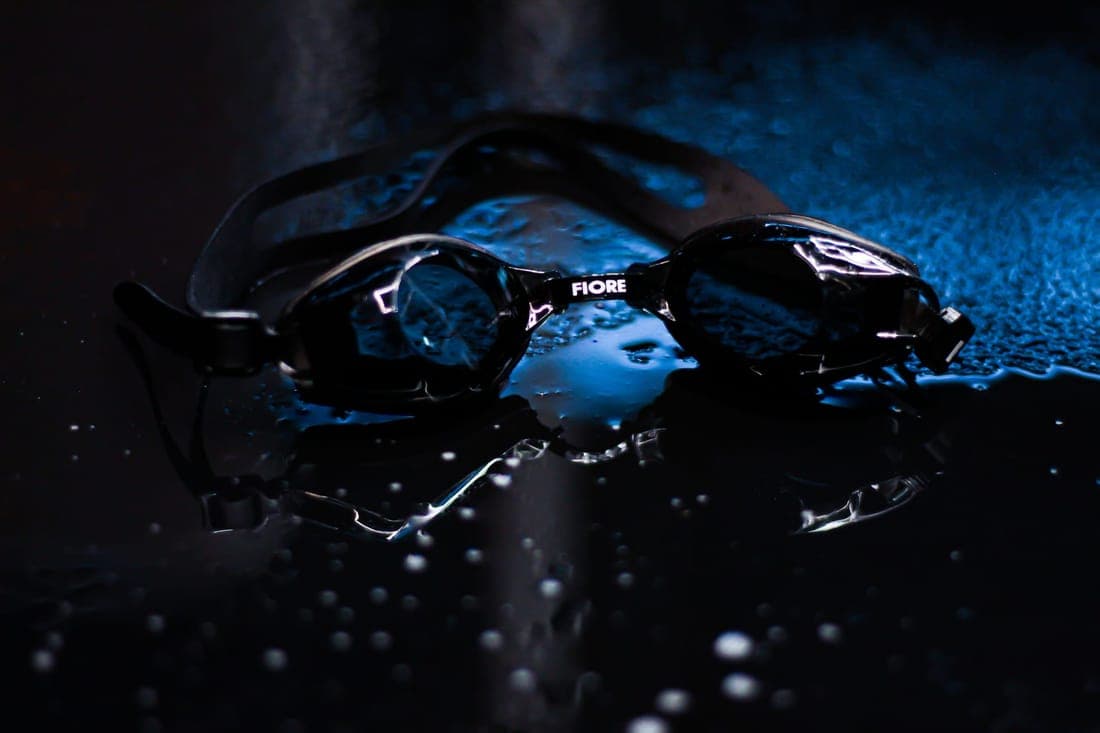
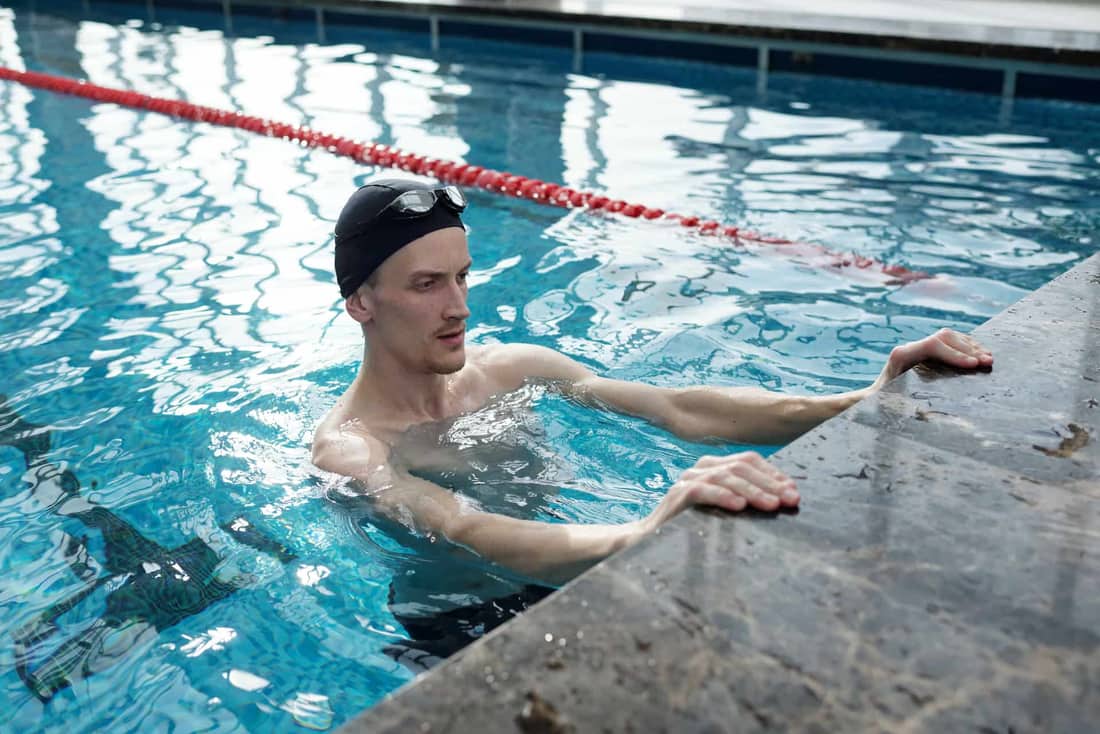
Photos on this page are licensed images that illustrate the category. They are not photographs of the specific products named, and no product image here is supplied by a manufacturer or retailer.
Straight comparisons
Decision tables for the choices people get stuck on.
Comparison
Soft gasket or low profile — which shape stops a leak, and the three-second test.
Comparison
Prescription goggles, swappable optical lenses, or contacts — with the trade-offs stated.
Guides
Sizing, fit, care and the questions that come up most.
Guide
Six steps that preserve the anti-fog coating, and what to do when it finally goes.
Guide
Frame sizing by age, the suction test, and the strap position that stops goggles sliding.
Guide
Why marks happen, which gaskets mark least, and the fit changes that stop them.
Press the goggles onto dry eye sockets without the strap over the head. If they hold for two or three seconds on suction alone, the gasket matches the face and the strap will only be holding them in position. If they fall straight off, no amount of strap tension will make them watertight — a tight strap on a badly matched gasket is exactly what produces goggle marks and headaches, and it still leaks.
This is the single most useful thing you can do in a shop or on the first day out of the packet, and it is why we recommend one-piece kids' goggles for younger children: there is no bridge to get wrong, so the suction test either passes or it does not.
The measurement that matters is across the bridge of the nose, from the inner corner of one eye to the inner corner of the other. On most children under about eight that distance is small enough that adult and junior-competitive frames will never seal, regardless of strap adjustment. Buy a frame explicitly sized for the age, and for a child between about three and ten that means an oversized soft gasket.
Head size matters separately for strap comfort. A double-strap head cradle spreads load and stays put better on an active child, but it also pulls more hair — which is why goggles and swim caps are bought together more often than any other pair of items on this site.
Every goggle sold has an anti-fog coating on the inside of the lens and every one of those coatings wears out. It is a microscopically thin surfactant layer, and it comes off if you wipe the inside of the lens with a finger or a towel. Once it is gone, no rinse will bring it back.
So: never touch the inside of the lens, rinse in fresh water after every swim, dry them open rather than folded in a bag, and expect the coating to last a season of regular use. Arena's Swipe system is the one genuine exception — its layer can be reactivated by wiping, which inverts the usual rule. Our anti-fog guide has the full routine.
Questions
Start here
These two guides connect every category on the site — what to buy first when you are outfitting several people, and what to put in the bag before you leave.