
Roundup
Best Kids' Rash Guards (2026)
Five kids' rash guards by need, with the fit rule that decides whether one works.
Category
UPF 50+ explained honestly, and why fit matters more than the rating on the label.
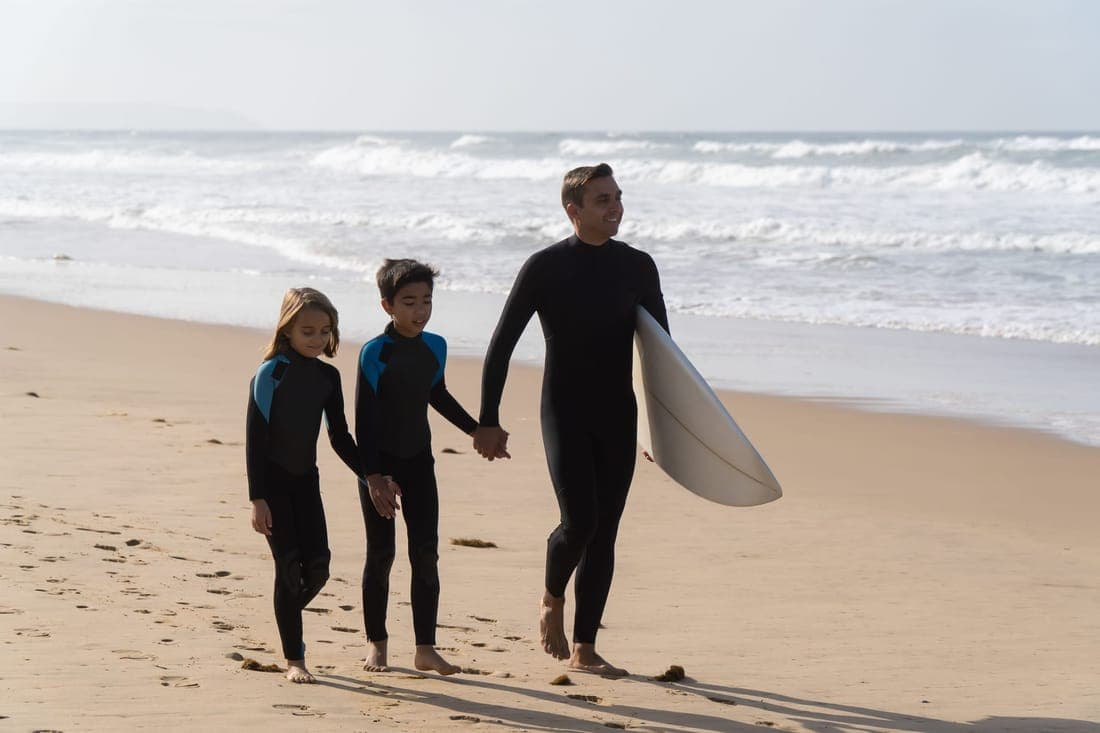
A rash guard is the most effective piece of sun protection you can put on a child, for a reason that has nothing to do with the number on the label: it does not wash off, it does not get missed, and nobody has to reapply it. Sunscreen on a swimming child is a losing battle. Fabric is not.
The name comes from surfing, where the original job was preventing board rash. The sun-protection role is now the main one for families, and the two functions pull the design in slightly different directions — a performance surf cut is tight and stays put, while a sun-protection cut is looser and covers more.
The variable that actually determines whether a rash guard works is fit, not UPF. A loose swim shirt balloons in the water and rides up, leaving the lower back exposed — which is exactly where children burn. A close-fitting rash guard stays where you put it.
Our picks
Roundups with a top pick, a cheaper pick and an upgrade.
Roundup
Five kids' rash guards by need, with the fit rule that decides whether one works.
Roundup
Four toddler rash guards, led by the zip-front design that ends the changing battle.
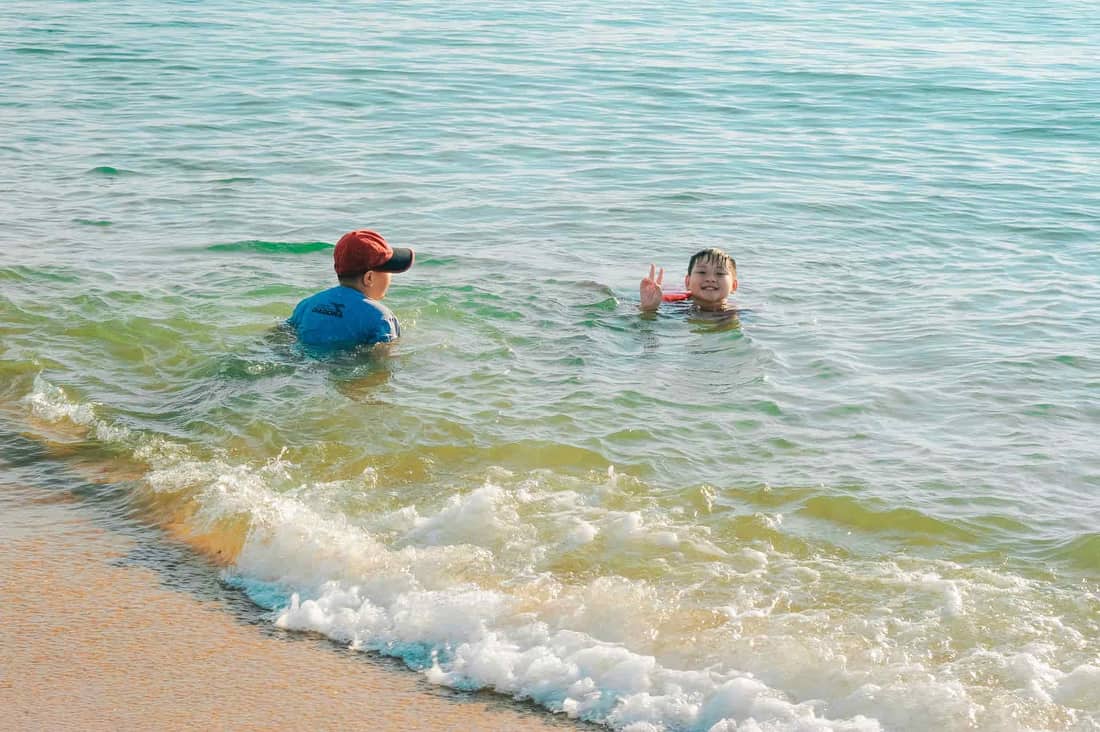
Photos on this page are licensed images that illustrate the category. They are not photographs of the specific products named, and no product image here is supplied by a manufacturer or retailer.
Straight comparisons
Decision tables for the choices people get stuck on.
Comparison
Close-fitting versus loose, compared on the five things that actually differ.
Comparison
Sun versus warmth, water temperature bands, and what to do when you need both.
Comparison
Three sun garments compared, including which parts of the body each one actually covers.
Guides
Sizing, fit, care and the questions that come up most.
Guide
What the UPF numbers mean, how they differ from SPF, and what makes a rating last.
Guide
How far a rash guard actually helps with swimmer's itch, and what the CDC recommends.
Guide
The UV effect of color, the visibility argument, and which one to prioritize at a lake.
UPF is the fraction of UV the fabric blocks. UPF 50+ blocks about 98%. UPF 30 blocks about 97%. UPF 15 blocks about 93%. The gap between 30 and 50 is roughly one percentage point of transmitted UV — real, but far smaller than the marketing gap in price suggests. The Skin Cancer Foundation treats UPF 30 as the minimum for its Seal of Recommendation.
What this means in practice: for most lake days the difference between UPF 30 and UPF 50+ matters less than whether your child will actually keep the shirt on. A UPF 30 shirt they wear all day beats a UPF 50+ shirt they take off after an hour.
One distinction is worth paying for. On some garments the protection comes from the knit itself — tightly woven fabric that blocks UV structurally — and on others it comes from a chemical treatment applied to the fabric. Treatments wash out over time; knits do not. Brands that build the rating into the fabric say so, and it is the difference between a shirt that still protects in its second season and one that quietly stops.
A rash guard is close-fitting stretch fabric for sun and chafe protection. A swim shirt is the same idea cut loose, more comfortable out of the water and less effective in it, because it rides up. A wetsuit is neoprene, and its job is warmth — it also blocks UV, but wearing one on a hot day for sun protection is a mistake. Detail in rash guard vs wetsuit.
For toddlers, look for a full-length front zip. Peeling a wet, close-fitting top over a small child's head is the single most reliable way to make them refuse to wear it next time. A zip turns that into a five-second job.
Darker and more saturated colors absorb more UV before it reaches skin, so a navy rash guard offers slightly more protection than a pale one in the same fabric. It is a small effect and a poor reason to override a child's preference — a bright color also makes a swimmer far easier to spot in open water, which is worth more.
Whatever you buy, fabric only protects what it covers. The face, ears, neck and the tops of the feet still need sunscreen, and the back of the neck is the spot most often missed. A rash guard plus a hat plus sunscreen on the gaps is the combination that works. In lake water a rash guard has a second benefit: it is a physical barrier against the parasite that causes swimmer's itch.
Questions
Start here
These two guides connect every category on the site — what to buy first when you are outfitting several people, and what to put in the bag before you leave.