Roundup
Best Swim Caps for Long Hair (2026)
Five caps with real volume, plus the put-on technique that stops hair pulling.
Category
Silicone, latex or lycra — the material decides comfort, and none of them keeps hair fully dry.

A swim cap does three useful things: it keeps hair out of your face and off a goggle strap, it cuts drag, and it keeps the head a little warmer. The thing most people buy one for — keeping hair dry — is the one thing no cap does well. Water gets in around the hairline on every cap ever made.
Once you accept that, the decision gets simple. Choose the material for comfort and durability, and choose the shape for the amount of hair you need to fit inside it. Those are the only two variables that matter, and getting the second one wrong is why so many caps end up unused in a drawer.
For children there is a third factor: sizing. Most junior caps are genuinely junior-sized, but the range from four-year-old to twelve-year-old is wide, and a cap that rides up is a cap that gets left at home.
Our picks
Roundups with a top pick, a cheaper pick and an upgrade.
Roundup
Five caps with real volume, plus the put-on technique that stops hair pulling.
Roundup
Kids' caps from preschool to swim team, with a sizing table by head measurement.

Roundup
Adult caps across silicone, latex and lycra, with the trade-off each material makes.
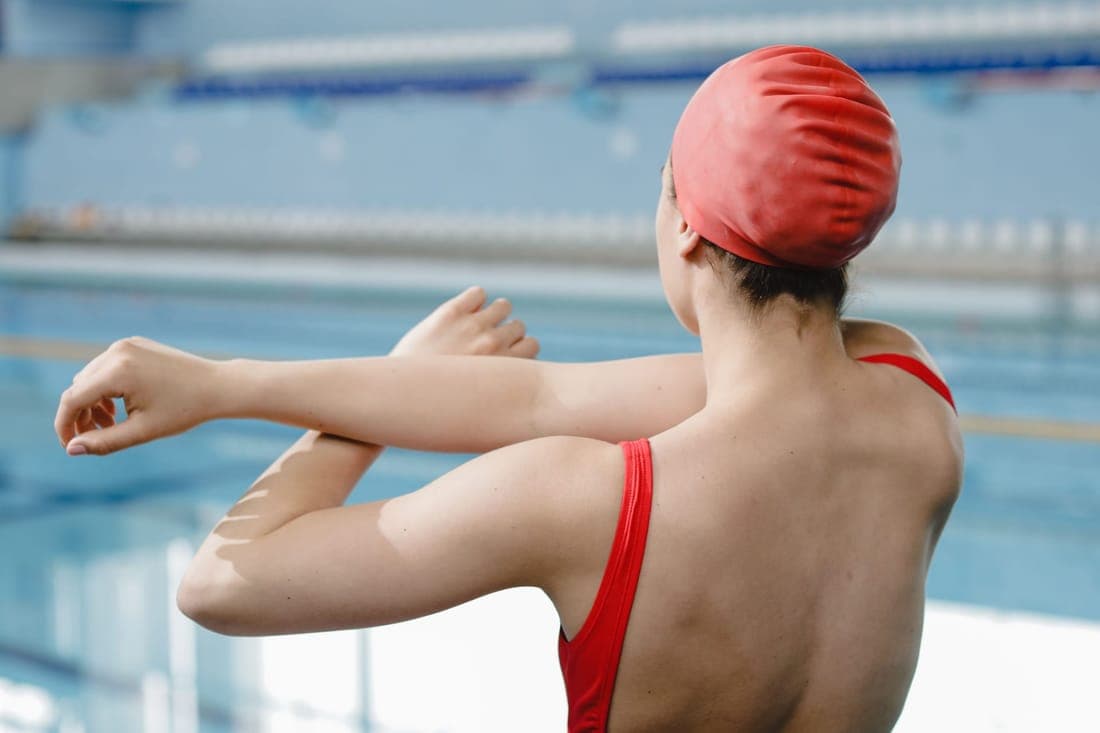
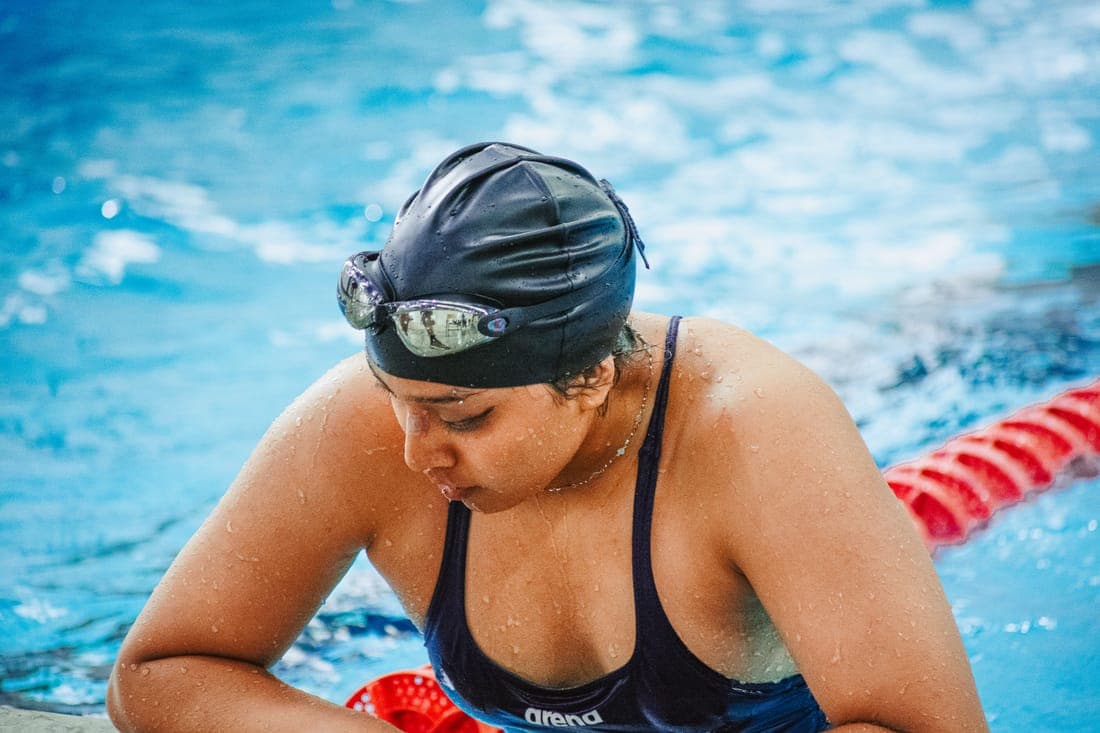
Photos on this page are licensed images that illustrate the category. They are not photographs of the specific products named, and no product image here is supplied by a manufacturer or retailer.
Straight comparisons
Decision tables for the choices people get stuck on.

Comparison
The three cap materials compared on the six things that actually differ.
Comparison
Cap or plugs for keeping water out of ears — and what the CDC actually recommends.
Guides
Sizing, fit, care and the questions that come up most.
Guide
A real sizing chart by head circumference, plus the fix when a correctly sized cap still rides up.
Guide
The put-on method that stops hair pulling, plus versions for long hair and for children.
Guide
Why no cap keeps hair dry, which keeps it driest, and the routine that protects hair properly.
Silicone is the default for almost everyone. It is thick, does not pull hair, tolerates chlorine, and lasts a season or more. It is warmer than the alternatives, which is welcome in a lake and less so in a heated pool. Nearly every cap we recommend is silicone.
Latex is thin, tight, cheap and the lowest drag of the three, which is why competitive swimmers still wear it. It also pulls hair noticeably going on and off, tears easily, and is off the table for anyone with a latex allergy. Buy it for speed or price, never for comfort — and not for a child.
Lycra is a fabric cap. It is by far the most comfortable, fits long hair without a special shape, and gives the scalp some sun protection. It also lets water straight through, so it keeps hair contained rather than dry. If someone has rejected silicone as too tight, lycra is the answer.
Measure head circumference with a soft tape around the widest part of the skull, just above the ears and across the middle of the forehead. Junior caps generally cover roughly 19 to 21 inches and adult caps roughly 21 to 23. Above that you want a cap explicitly sold as large or extra large, which exist mainly to accommodate hair volume rather than skull size.
If the cap is right and it still rolls up off the back of the head, the problem is usually hair being forced into a crown with no room for it. That pushes the cap forward and up. A long-hair or high-volume cap fixes it; a tighter standard cap does not. Our sizing guide has the full table.
A cap is not ear protection. It covers the outer ear but does not seal the ear canal, so it does very little to prevent water entering — and water sitting in the canal is what leads to swimmer's ear. If ear infections are the concern, the tool is a pre-molded ear plug, optionally held in place under a cap.
On hair damage, a cap helps but does not solve it. It reduces how much chlorinated water reaches the hair, which is worth having. Rinsing hair in fresh water before swimming so it absorbs clean water first, and rinsing again immediately afterwards, does more than any cap. For textured or protectively styled hair, a high-volume cap that does not compress the style is the single biggest reduction in breakage available.
Questions
Start here
These two guides connect every category on the site — what to buy first when you are outfitting several people, and what to put in the bag before you leave.