Guides
Lake Swimming Guides
The health, planning and money questions that come with swimming in open water rather than a pool.

A lake is not a pool with worse visibility. The water is alive, the bottom is unpredictable, there is no lifeguard, and the two most common complaints families come home with — an itchy rash and an earache — are both specific to open water and both largely preventable.
This section covers the things that are not about buying a product: what swimmer's itch and swimmer's ear actually are and what the CDC says to do about them, what to put in the bag, and how to outfit a whole family without buying nine things you do not need.
Two of these guides are the spine of this site. The budget guide works out what to buy first when you are kitting out several people at once, and the packing list is what you check before you leave. Between them they link to every product category here.
Guides
Lake Swimming Guides: guides
Sizing, fit, care and the questions that come up most.
Guide
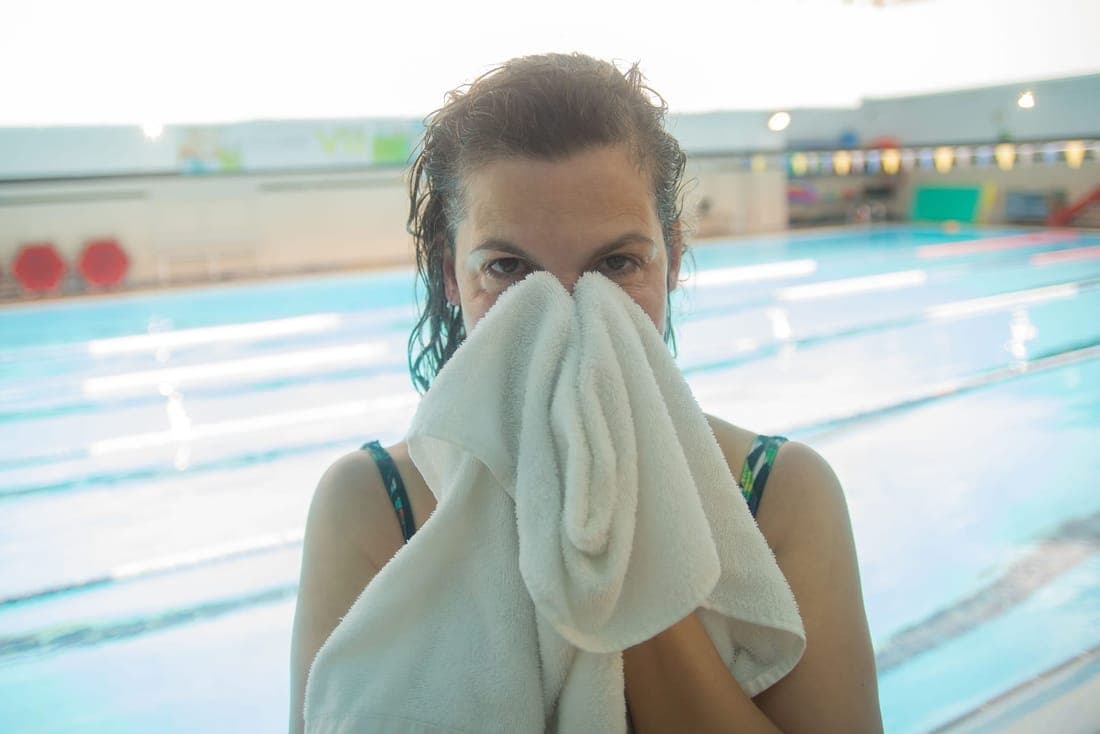
Swimmer's Ear
What causes swimmer's ear, the CDC's prevention advice, and when to see a clinician.
Guide
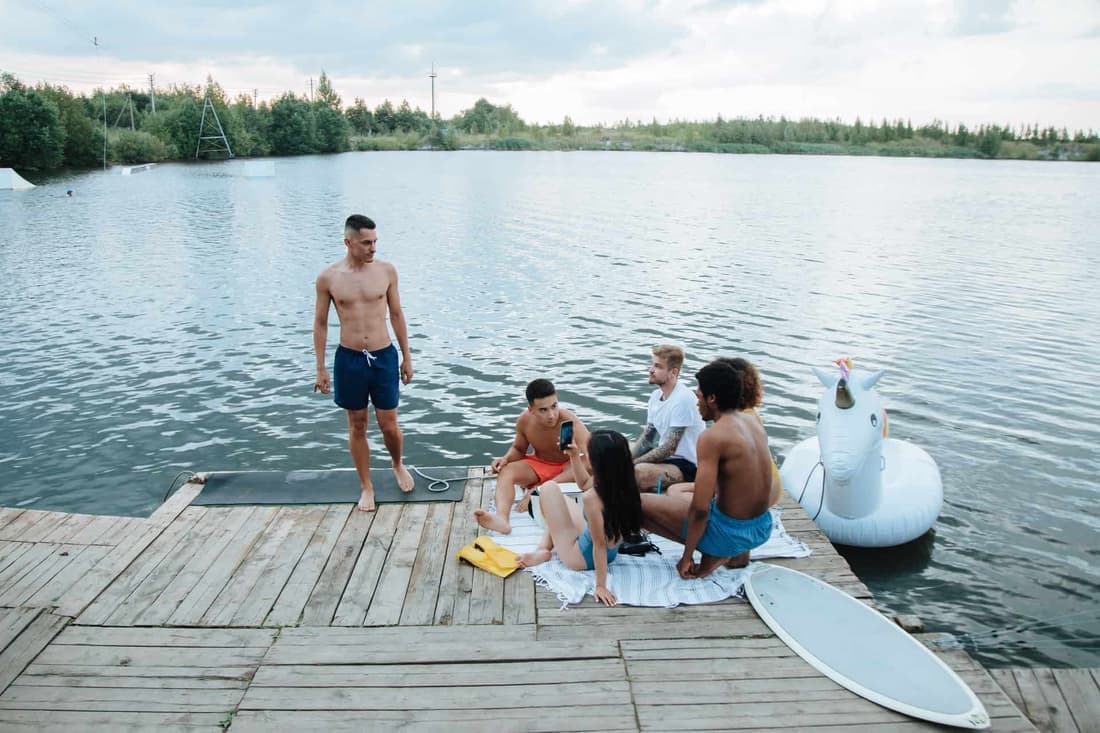
Family Swim Gear on a Budget
The buying order for a whole family, and the three places cheap is false economy.
Guide
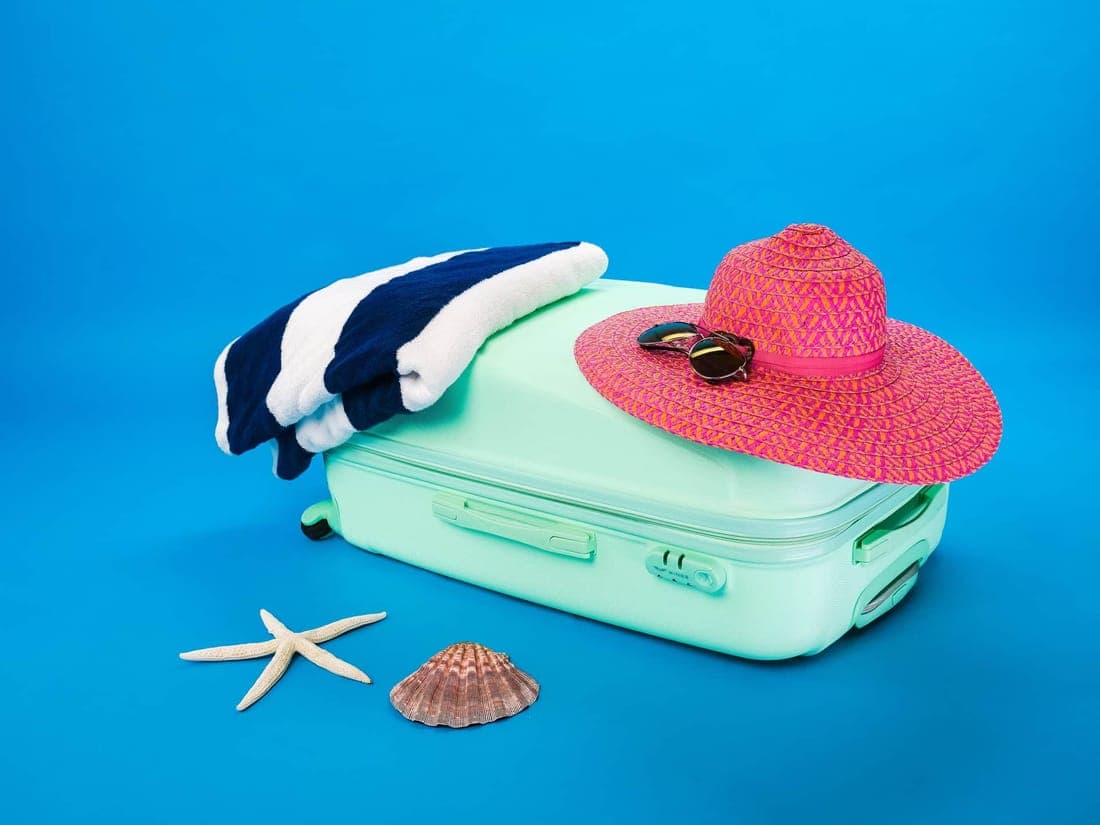
Lake Day Packing List
The full lake day list in five groups, plus the six items people always forget.

Guide
How to Find a Swimming Lake Near You
Where to look for swimmable lakes, and how to check advisories and algae before you go.
The two health issues worth understanding
Swimmer's itch (cercarial dermatitis) is an allergic reaction to a microscopic parasite larva that burrows into exposed skin and dies there. It is not contagious, it is not caused by dirty water, and it usually clears in about a week. The CDC's prevention advice is practical: towel off briskly as soon as you leave the water, shower afterwards, and avoid marshy shallows where the snails that host the parasite live.
Swimmer's ear (otitis externa) is a bacterial infection of the ear canal that develops when water sits in a warm canal long enough for bacteria to multiply. It is painful, it is common in children, and the prevention is unglamorous: dry the ears after swimming by tilting the head and toweling the outer ear, and do not put cotton swabs or fingers in the canal. Both guides link the CDC's own pages, and neither offers medical advice — an ear that hurts needs a clinician, not a website.
What changes when there is no lifeguard
Most lake swimming happens with no lifeguard, no marked depth, and no clear view of the bottom. The practical consequences: designate an adult whose only job is watching the water and rotate that role explicitly, keep young and weak swimmers in properly fitted approved life jackets, and walk the entry yourself before children use it so you know where the drop-off and the rocks are.
Cold water deserves more respect than it usually gets. A lake that is pleasant at the surface in August can be sharply colder a few feet down, and cold water reduces swimming ability fast — a strong swimmer in cold water is a weaker swimmer than they expect to be.
Kitting out a family without overspending
The mistake families make is buying one of everything at once. A more useful order: approved life jackets for anyone who needs one, then swimsuits and goggles, then sun cover, then footwear if the bottom demands it, then floats. Towables come last — they are the most expensive item in lake gear and the one you can most easily borrow or rent for a first try.
The second-summer question is the one worth asking about every purchase. Will this still fit next June? For a child in a growth spurt the honest answer for most clothing is no, and that argues for cheap. For life jackets, water shoes with a closed toe, and foam floating mats, the answer is usually yes — and there the cheap option is false economy.
Questions
Lake Swimming Guides: common questions
What is swimmer's itch and how do you prevent it?
An allergic skin reaction to a parasite larva found in some fresh water, causing an itchy rash a few hours after swimming. It is not contagious. The CDC advises toweling off briskly on leaving the water, showering afterwards, and avoiding marshy shallow areas. See swimmer's itch.
How do you prevent swimmer's ear?
Get water out of the ear canal after swimming: tilt the head each way and dry the outer ear with a towel. Do not use cotton swabs — they push water in and scratch the canal. If an ear is painful or discharging, see a clinician. See swimmer's ear.
Is lake water safe to swim in?
Usually, but it varies by lake and by day. Check local advisories for algal blooms and bacteria counts, avoid swimming after heavy rain when runoff raises bacteria levels, keep your head out of visibly scummy water, and do not swallow it. Local health departments publish beach advisories for most managed swimming areas.
What should I pack for a family lake day?
Sun cover and shade, more water than you think, approved life jackets for anyone who needs one, two towels per person, water shoes if the bottom is rocky, a floating cooler, and a first-aid kit. Full list in our lake day packing list.
Start here
These two guides connect every category on the site — what to buy first when you are outfitting several people, and what to put in the bag before you leave.