Swim Caps · Comparison
Silicone vs Latex vs Lycra Swim Cap
Three materials, three different jobs. The comparison table is the whole answer.
The short answer
Choose silicone for almost everything: it is durable, does not pull hair, and tolerates chlorine. Choose latex only for the lowest drag or the lowest price, accepting that it pulls hair and tears. Choose lycra when comfort matters more than keeping water out — it is a hair-keeper, not a water-blocker.
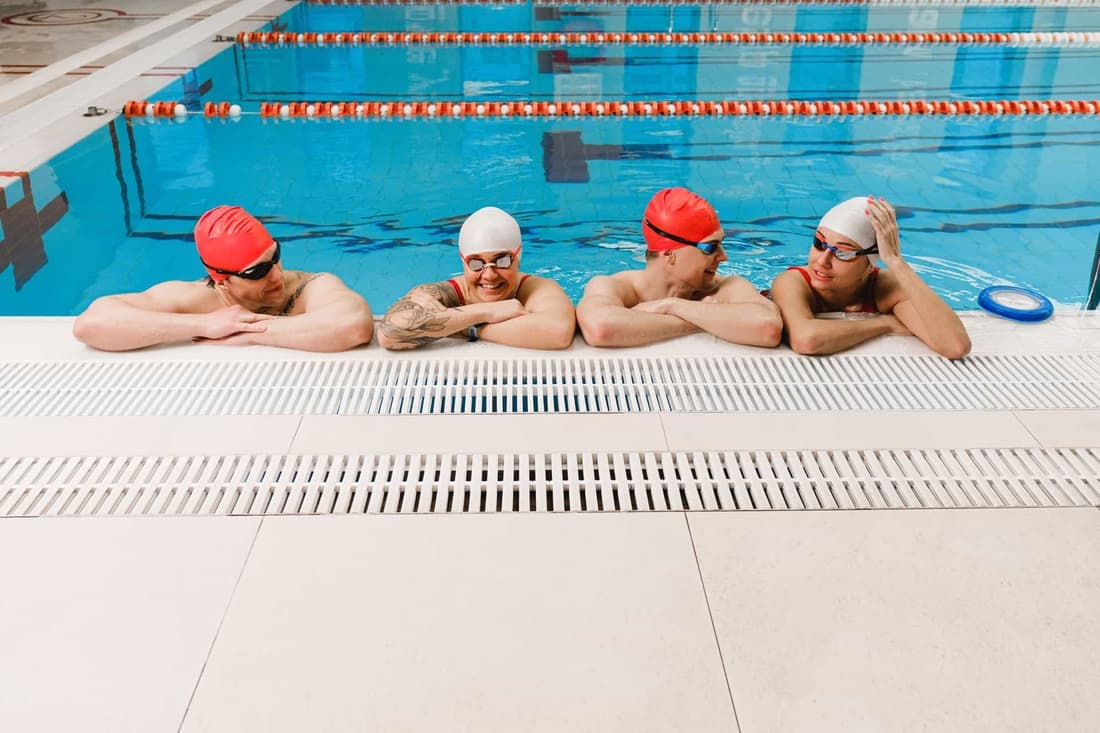
Photos on this page are licensed images that illustrate the category. They are not photographs of the specific products named, and no product image here is supplied by a manufacturer or retailer.
| Silicone | Latex | Lycra | |
|---|---|---|---|
| Durability | 2-3 seasons | Under 1 season, tears easily | 1-2 seasons, stretches out |
| Hair pull | None | Significant, going on and off | None |
| Keeps hair drier | Best of the three, still not dry | Moderate | Barely — water passes through |
| Warmth | Warmest | Cool | Cool |
| Drag | Low | Lowest | Highest |
| Price | Low | Lowest | Low to moderate |
| Allergy risk | None | Latex allergy | None |
| Fits long hair | Only in long-hair shapes | No | Yes, without a special shape |
| Right for | Almost everyone | Racing, multipacks, short hair | Comfort, sun cover, cap refusers |
Choose silicone if...
- You swim regularly and want one cap that lasts more than a season.
- You have any length of hair — silicone slides off it rather than catching.
- You swim in cool open water and want the extra warmth.
- You are buying for a child. This one is close to absolute: latex on a child usually ends in a refusal to wear caps at all.
Within silicone there is a further choice. Standard silicone is thin and smooth. Elastomeric silicone is thicker and stretchier: easier to pull on, warmer, more tear-resistant, slightly draggier. For general swimming the thicker one is the better buy.
Choose latex if...
- You race, and the small drag advantage is worth the discomfort.
- You want a multipack of near-disposable caps and have short hair.
- You swim in a warm indoor pool and find silicone too hot.
- You are layering one under a silicone cap to hold goggle straps in place.
And do not choose it if anyone in the household has a latex allergy, or if the cap is for a child. Those two exclusions cover most families.
Choose lycra if...
- Someone has rejected silicone as too tight, or gets headaches from caps.
- The job is keeping hair out of the face and off a goggle strap, not keeping it dry.
- You want scalp sun protection for long outdoor swims.
- You have long hair and do not want to buy a shaped long-hair cap.
Be clear about the trade: a lycra cap is fabric, and water goes through fabric. If the reason you are buying a cap is to protect hair from chlorine, lycra is the wrong material — it will not do it.
Our pick for each
Speedo Elastomeric Silicone Cap
A thicker, stretchier silicone than the standard cap — easier to pull on and slower to tear.
Specifications
- Material
- Elastomeric silicone
- Fit
- One size, adult
- Hair length
- Short to medium
- Seal
- Smooth interior
What works
- Stretches further than standard silicone, so pulling it on does not feel like a wrestling match
- Thicker walls resist the fingernail tears that kill most caps
- Keeps a low profile, so it works for lap swimming
- Holds warmth usefully in cool lake water
What doesn’t
- No room for long hair at all
- Thicker silicone is warmer than most people want in a heated pool
Who it’s for
An adult with short or medium hair swimming laps who is tired of replacing torn caps.
Bottom line
The durable everyday adult cap. Long hair needs a long-hair cap, not a thicker standard one.
TYR Latex Swim Cap
Thin, tight and fast, and cheap enough to treat as disposable — with all the downsides of latex.
Specifications
- Material
- Latex
- Fit
- Very snug, adult
- Thickness
- Thin
- Drag
- Lowest of the three materials
What works
- Lowest drag of any cap material, which is why it survives in competitive swimming
- Cheapest cap worth buying, often sold in multipacks
- Thin enough that it does not trap heat
- Grips the head without slipping
What doesn’t
- Pulls hair noticeably going on and off — the single biggest reason people switch to silicone
- Tears easily and cannot be worn by anyone with a latex allergy
Who it’s for
A racer counting hundredths, or someone who wants a multipack of cheap caps and has short hair.
Bottom line
Buy latex for speed or price, never for comfort. For a child, buy silicone instead.
Speedo Lycra Swim Cap
The most comfortable cap you can buy and the least waterproof — a hair-keeper, not a water-blocker.
Specifications
- Material
- Lycra / polyester blend
- Fit
- Soft, stretchy
- Water resistance
- Minimal
- Hair length
- Any, including long
What works
- No pulling, no snagging, no pressure — it feels like a fabric hat
- Fits long hair without a specialist shape
- Comfortable for an hour or more in open water
- Sun protection for the scalp on a bright lake day
What doesn’t
- Does not keep hair meaningfully dry — water passes straight through
- Fabric stretches out over a season and stops gripping
Who it’s for
Someone who wants hair kept out of their face and off their goggle strap, and does not care about dryness.
Bottom line
The right cap if the goal is comfort or keeping hair contained. The wrong cap if the goal is dry hair.
What about polyester and neoprene?
Polyester caps are essentially lycra with a slightly firmer hand — same water permeability, same comfort, marginally better shape retention. The choice between them is not worth agonizing over.
Neoprene caps are a different category entirely: thick insulating caps for genuinely cold open water, often with a chin strap. If you are swimming in water cold enough to need one, you are also probably looking at a wetsuit, and the two go together.
Questions
Frequently asked questions
Are silicone or latex swim caps better?
Are latex swim caps waterproof?
Is a polyester swim cap the same as lycra?
Which swim cap material is best for hair health?
Read next