Swim Caps · Roundup
Best Nose Clips for Swimming (2026)
Five clips, four designs, and the one feature that decides whether you still own it in August.
The short answer
For most swimmers the Speedo Nose Clip is the pick: a flexible sprung frame with soft pads, one size, stocked everywhere, for a couple of dollars. If you have already lost a clip, spend a few dollars more on the arena Strap Nose Clip Pro - the neck strap is the only design here that makes a knocked-off clip recoverable.
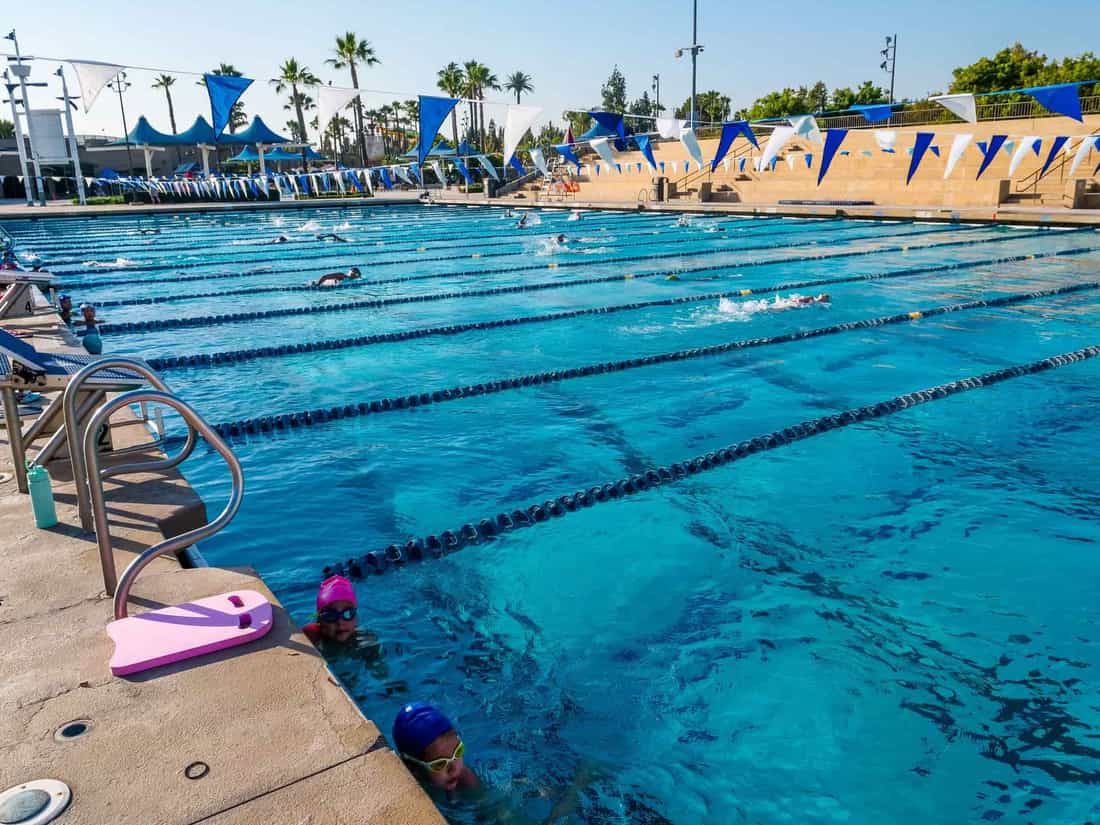
Product photos are the retailer’s own catalogue images, shown from the retailer’s servers and refreshed daily. Any other photo here is a licensed image that illustrates the category, not a photograph of the specific product named.
| # | Product | Best for | Type | Price |
|---|---|---|---|---|
| 1 | 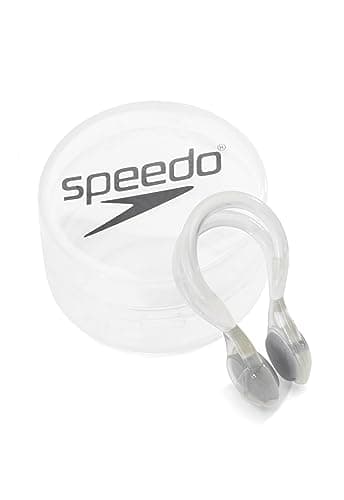 Top pick Speedo Nose Clip The default clip: a flexible frame with soft pads, one size, under the price of a sandwich. | The one every pool shop stocks | Clip-on, no strap | |
| 2 | 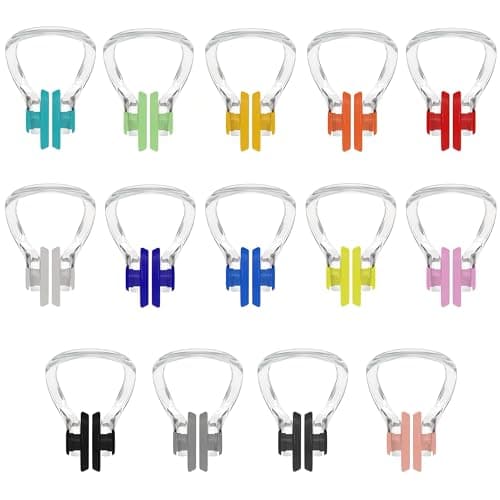 Budget pick Hurdilen Swimming Nose Clip 14 Pack Fourteen soft silicone clips in a bag of colors - the right answer for a household that loses everything. | Losing them on purpose | Clip-on, no strap | |
| 3 | 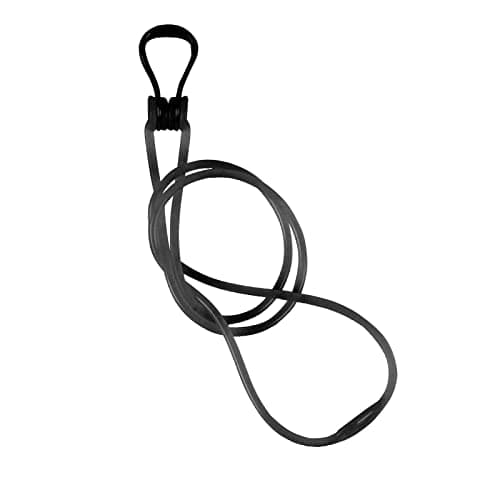 Upgrade pick arena Strap Nose Clip Pro A memory-plastic clip on a silicone neck strap, which is the single feature that stops a nose clip disappearing into a lake. | The one you will not lose | Clip-on with neck strap | |
| 4 | 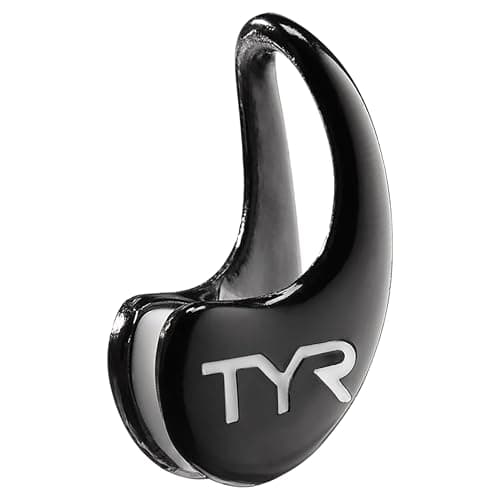 Also good TYR Ergo Swim Clip A low-profile clip with hypoallergenic TPR pads on a polyurethane frame - the one that disappears under goggles. | Lowest profile, latex-free | Clip-on, no strap | |
| 5 | 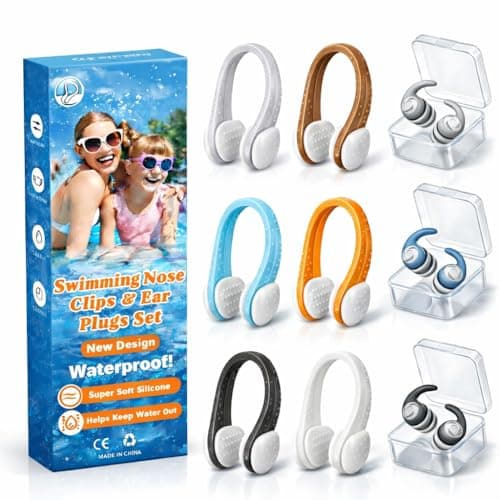 Also good YUHENGLE Swim Nose Clips and Ear Plugs 9 Pack Six nose clips and three pairs of silicone ear plugs in one box - the set a parent actually needs for a season. | Clips and plugs together | Clip-on, no strap |
A two-dollar fix for a problem people assume is permanent
Water up the nose is the single most common reason a child decides they do not like swimming. It stings, it produces a coughing fit in front of everybody, and the lesson that follows is spent with a head held stiffly above the water. Parents tend to treat it as something a child grows out of. Often they do - but a clip costing less than a pool snack removes the problem this week instead of next summer.
Adults buy clips for different reasons and usually later in life. Backstroke sends water straight up the nose by design. So does any entry from height: a dock, a diving board, a rope swing. And anybody doing drills with a front-mounted snorkel needs the nose closed or the drill does not work. None of this is an advanced-swimmer problem - it is a geometry problem, and a clip solves geometry.
There is also a specific lake reason to own one, and it comes from the CDC rather than from a brand. It is the one argument on this page that is about safety rather than comfort, and it is worth reading before you decide a nose clip is a frivolous purchase.
How we picked these five
We have not worn all five of these for a season and do not claim to have. Every pick was confirmed as currently sold and in stock while this page was written, and each spec here comes from the maker's or the retailer's published listing - frame material, pad material, pack count and stated age range. Where a brand publishes nothing beyond a listing title, we have said so in its cons rather than filling the gap with a guess.
The list is organized by design rather than by brand, because the design is what decides whether a clip works for you. There are four designs sold in 2026, two of them cost about the same, and only one of them survives being knocked off in open water.
Four designs, and what each one gets wrong
Sprung frame with soft pads. A curved plastic or polyurethane frame squeezes two padded arms against the sides of the nose. This is the standard swim-shop clip: Speedo's and TYR's both work this way. It grips well, it is low profile under goggles, and the failure mode is the frame itself - sprung plastic eventually fatigues or snaps.
Soft silicone clip. A single piece of soft silicone bent into a U. It cannot pinch, which makes it the gentlest design for a small child, and it has the least spring, which makes it the first to come off in rough water or on a dive. This is what you get in the cheap multipacks, and at pennies a clip that trade is usually the right one.
Clip on a strap. A sprung clip with a silicone cord that goes around the neck. Functionally identical in the water and completely different out of it: a clip that gets knocked off hangs at your collarbone instead of sinking into a lake. It costs a little more than a plain clip and is the only design here you can expect to still own in September.
Combo sets. Nose clips bundled with ear plugs, usually six of one and three pairs of the other. These are aimed at parents, and sensibly so - the swimmer who needs a clip very often needs plugs too. The compromise is that the plugs in a combo set are one-size pre-molded, so a narrow ear canal still leaks. Our best swim ear plugs roundup covers what to buy if that happens.
The six things worth checking before you buy
- Does it have a strap? This is the only question with a definite answer. On a lake, in surf, or anywhere you cannot see the bottom, a clip without a strap is a consumable. A strap model costs a few dollars more and lasts years.
- Sprung or soft? Sprung frames hold through dives and flip turns and can pinch. Soft silicone cannot pinch and comes loose more easily. For a child under about eight, start soft; for a swimmer doing backstroke or jumping off a dock, go sprung.
- Pad material against the skin. Soft TPR or silicone pads are what stop a clip leaving a red dent after an hour. A bare plastic edge is the sign of a clip that will not get worn twice.
- Latex, for the few who need to care. TYR's Ergo is sold as latex-free, which matters for a swimmer with a latex sensitivity. Most clips are plastic and silicone anyway, but the explicit statement is only on some listings.
- Pack count versus price per clip. A 14-pack costs less than two branded clips. If the clips live in a swim bag used by children, the multipack is the realistic purchase - not because the clips are better, but because the replacement rate is what it is.
- Does it fit under goggles and a cap? A low-profile clip sits flush and nothing fights it. A bulky clip gets pushed off every time a goggle strap is adjusted. If you wear a cap too, it is worth reading how to put on a swim cap - the order you put the three items on in changes whether they stay on.
Speedo Nose Clip
The default clip: a flexible frame with soft pads, one size, under the price of a sandwich.
Specifications
- Type
- Clip-on, no strap
- Frame
- Flexible plastic
- Pads
- Soft, padded both sides
- Fit
- One size
- Reusable
- Yes, rinse and dry
What works
- Stocked by every swim shop and most big-box stores, so a replacement is never a special order
- The flexible frame grips the nose bridge rather than pinching one spot, which is what makes it wearable for a full lesson
- Light enough that a child forgets it is on after a minute
- Cheap enough to buy two and keep one in the car
What doesn’t
- Speedo sells several near-identical clips (Universal, Liquid Comfort, Competition) and the Amazon listing title does not always say which one you are getting - check the photo
- No strap, so a clip knocked off in a lake is gone
- One size means it is loose on a small child's nose and tight on a wide bridge
- Clear versions are nearly invisible on a dock, which is how they get stepped on
Who it’s for
Anyone buying a first nose clip, and swim lessons where the instructor asked for one.
Bottom line
The sensible default. Buy it, lose it, buy it again - that is the whole lifecycle of a nose clip.
Hurdilen Swimming Nose Clip 14 Pack
Fourteen soft silicone clips in a bag of colors - the right answer for a household that loses everything.
Specifications
- Type
- Clip-on, no strap
- Pack
- 14 clips, multi-color
- Material
- Silicone gel, per the listing
- Ages
- Listed for ages 7+ and adults
- Case
- Included, per the listing
What works
- Cost per clip is pennies, which changes how you feel about a clip lost off a dock
- Soft silicone rather than rigid plastic, so it is the gentlest option on a child's nose
- Colors mean each swimmer in a family can have their own
- A full season of swim lessons costs less than one branded clip
What doesn’t
- Soft silicone has less spring than a sprung frame, so it works loose in rough water and under a dive
- The listed age floor is 7+, so these are not a toddler's clip
- An Amazon-native brand with no published spec beyond the listing text
- Fourteen identical-feeling clips also means fourteen chances to find one under a car seat in October
Who it’s for
Families with two or more children in lessons, and anyone whose clip budget is really a replacement budget.
Bottom line
The value pick by a mile. Not the clip for a strong swimmer doing flip turns, but ideal for a lake summer.
arena Strap Nose Clip Pro
A memory-plastic clip on a silicone neck strap, which is the single feature that stops a nose clip disappearing into a lake.
Specifications
- Type
- Clip-on with neck strap
- Frame
- Memory plastic
- Pads
- Soft pads, both sides
- Strap
- Silicone, worn around the neck
- Composition
- 50% polyamide, 50% silicone (arena)
What works
- The silicone strap means a knocked-off clip hangs at your collarbone instead of sinking - the only loss-proof design here
- Memory plastic holds its bend, so it keeps gripping after a season of being stuffed in a bag
- The listing specifies PVC-free materials, which not every clip does
- arena is a competition brand and the clip is built to a swim-team standard rather than a dollar-store one
What doesn’t
- The priciest clip on the page, though still pocket change next to a pair of goggles
- A strap around a child's neck is a judgment call for a parent, and not one for an unsupervised swimmer
- Marketed for advanced swimmers, and the firmer frame pinches more than the TYR does
- Retailer material listings disagree (polyamide and silicone, or nylon), so treat the composition as approximate
Who it’s for
Swimmers who have already lost a clip, and anyone doing backstroke or diving where a clip gets knocked loose.
Bottom line
Pay the extra for the strap. For an adult who swims weekly it is cheaper than three replacements.
TYR Ergo Swim Clip
A low-profile clip with hypoallergenic TPR pads on a polyurethane frame - the one that disappears under goggles.
Specifications
- Type
- Clip-on, no strap
- Frame
- Polyurethane
- Pads
- Hypoallergenic TPR
- Latex
- Latex-free
- Weight
- About 4.5 g
What works
- Latex-free materials, which matters for the small number of swimmers who react to latex
- The lowest-profile clip here - it sits under a goggle strap and a cap without fighting either
- Soft TPR pads rather than hard plastic edges, so it does not leave a mark after an hour
- Sold by swim and dive retailers as well as Amazon, so it is easy to find in clear or black
What doesn’t
- Marketplace reviews repeatedly describe the frame as brittle, and a snapped frame is not repairable
- Marketed around front-mounted snorkel training, which is not what a lake family needs it for
- No strap and no case in most listings
- A low-profile clip has less spring, so it comes off more easily in rough water than a strap model
Who it’s for
Swimmers who already wear goggles and a cap and want a clip that does not interfere with either.
Bottom line
The most comfortable clip of the three brand options, with the shortest expected lifespan. Buy two.
YUHENGLE Swim Nose Clips and Ear Plugs 9 Pack
Six nose clips and three pairs of silicone ear plugs in one box - the set a parent actually needs for a season.
Specifications
- Type
- Clip-on, no strap
- Pack
- 6 nose clips, 3 pairs of ear plugs
- Material
- Silicone, per the listing
- Users
- Listed for kids and adults
- Case
- Included, per the listing
What works
- Clips and plugs arrive together, which is how they get used together - the combination that keeps water out of nose and ears
- Three pairs of plugs covers losing one pair twice, which is the realistic number
- Silicone clips are soft enough for a child who will not tolerate a sprung frame
- Costs less than buying a branded clip and a branded plug set separately
What doesn’t
- Ear plugs in a combo set are pre-molded one-size - a narrow canal will still leak around them
- No published spec sheet beyond the listing, and no clinical track record like Mack's or Doc's
- Soft clips work loose in rough water, same as every other unsprung design
- Nine items in one small case is nine things to keep track of
Who it’s for
Parents outfitting a child for swim lessons who want ears and nose solved in one purchase.
Bottom line
A good-value starter set. If the ear plugs leak, replace just those with a pre-molded pair that fits.
Fitting a nose clip so it actually stays on
- Place it on the soft part, not the bone. The clip belongs on the flexible cartilage halfway down the nose, not up on the bridge. Too high and it slides off at the first stroke; too low and it closes the nostrils rather than pinching them shut.
- Pinch it open, then release - do not force it on. Spreading the arms by hand and letting them close is how a sprung clip seats. Pushing it on nose-first is how a frame cracks.
- Breathe out through the mouth and in through the mouth. A clip changes nothing else about swimming, but first-time users instinctively try to exhale through a closed nose and come up panicking. Two minutes in standing depth fixes that.
- Put the clip on before the goggles. Goggles over a clip hold the clip in place; a clip jammed on after goggles sits wrong and pushes the goggle seal off the face.
- Give a child their own color. It is the only thing that keeps a household of clips from turning into a dispute, and it is why the multipacks come in six colors.
Kids and nose clips: what parents run into
The first thing is the age floor. The cheap silicone multipacks are generally listed for ages 7 and up, and that is about right - a toddler will pull a clip off, and a clip is not the tool for a child that age anyway. For babies and toddlers the answer to water on the face is a slower, supervised introduction, not hardware; our baby's first lake day checklist covers what that looks like.
The second is that a clip is a crutch, and that is not an insult. A child who refuses to put their face in the water learns nothing in a swim lesson; the same child wearing a clip will put their face in on day one and start learning. Most instructors are happy to see one. Expect to retire it later, when breathing out through the nose becomes automatic, rather than planning to use one forever.
The third is that a clip rarely travels alone. The child who hates water up the nose usually also hates water in their ears, and the two together are what sours a whole summer. Plugs and a clip bought at the same time cost about as much as one pair of goggles - our swim cap vs ear plugs comparison explains why a cap alone does not solve the ear half of it, and swimmer's ear covers what happens when water does sit in the canal all week.
When a nose clip is the wrong answer
If the real problem is that a child will not put their face in the water at all, a clip helps; if the problem is panic in water over their head, a clip does not. That is a flotation and supervision question, and it belongs with a kids' life jacket or a swim vest and an instructor, not with a cheap accessory.
If the problem is that goggles flood every time, the clip is not the fix either - the goggles are too small, too old or the wrong shape for that face. We cover that at length in goggles that don't leak. And for the specific case of a child who wants their nose covered rather than clipped, there is a whole category of mask-style goggles: see kids' goggles that cover the nose, which is often the better purchase for a four- or five-year-old.
Care, replacement and what they cost over a season
Rinse a clip in fresh water with everything else and let it dry before it goes in the bag. Lake silt and sunscreen are what make pads go slick, and a slick pad slides. Store it in the case if one came with it, or in a goggle case - a clip loose in a swim bag gets stood on, and a stood-on sprung frame is finished.
Replace a sprung clip when the arms no longer close firmly on their own, and a soft silicone clip when it stops staying put on a dive. Both are cheap enough that a stretched clip is not worth nursing through another month. Over a lake season, a realistic household budget is one strap clip for each adult and a multipack for the children - call it the price of a single pair of mid-range goggles in total. Our family swim gear budget puts that in context against the rest of the list.
One last pairing worth knowing about. The swimmers who end up wanting a clip most are the ones swimming further out, where chop puts water in your face on the breathing side every few strokes. If that is you, the clip is the cheap half of the purchase and visibility is the important half - best open water swim buoys covers the floats that make a swimmer visible to a boat.
Questions
Frequently asked questions
Do nose clips work for swimming?
Does the CDC recommend nose clips in lakes?
What age can a child wear a nose clip?
Why does my nose clip keep falling off?
Are nose clips and ear plugs sold together worth it?
Will a nose clip stop me swallowing lake water?
Sources
Read next