Swim Goggles · Guide
Swim Goggles That Do Not Leave Marks
Marks are a symptom of over-tightening, and over-tightening is a symptom of bad fit.
The short answer
Goggle marks come from strap tension, not from the goggles themselves. A gasket that matches your face seals on suction and needs almost no tension, so it leaves a faint ring that fades in minutes. Deep raccoon marks mean the goggles are being pulled on to compensate for a shape that does not fit.
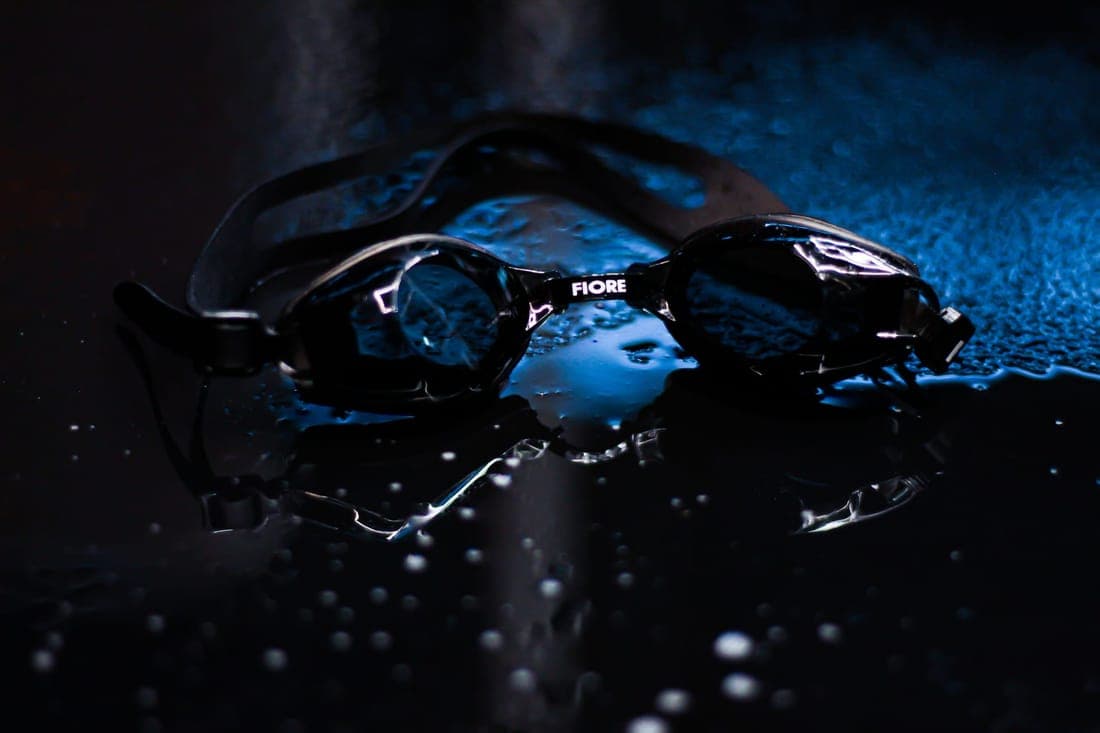
Photos on this page are licensed images that illustrate the category. They are not photographs of the specific products named, and no product image here is supplied by a manufacturer or retailer.
What is actually causing the marks
A goggle gasket sits on skin and presses. How hard it presses is set by the strap. How *unevenly* it presses is set by whether the gasket shape follows the contour of your face. Marks are the record of that pressure, and their depth is a direct readout of strap tension.
So the question is never which goggles do not leave marks. It is why you are tightening them so much — and the answer is almost always that the seal is failing somewhere, and tension is the only lever most people know about.
A correctly fitted goggle leaves a faint pink ring that disappears within about ten minutes. Deep indentations that last an hour mean over-tightening. Persistent dark rings — what people call raccoon eyes — mean sustained over-tightening over many swims.
Fix the fit, and the marks go away
- Run the suction test. Strap off the head, press the goggles on dry, let go, count to three. If they fall off, the shape is wrong and no strap setting will be comfortable.
- Try a different nose bridge. On a low-profile goggle this is the single biggest variable. A bridge one size too wide holds the lenses apart and forces you to tighten to close the gap.
- Raise the strap. It belongs above the ears, level with the top of the ear. A low strap pulls the goggles up and lifts the lower gasket edge, which reads as a leak and gets answered with tension.
- Loosen deliberately. Once the shape is right, back the strap off until the goggles are only just stable. Most people are two or three clicks tighter than they need to be.
- Move to a deeper, softer gasket. A wide soft gasket spreads the same force over more skin, so the same seal marks less.
Which gasket designs mark least
| Gasket style | Marks | Why |
|---|---|---|
| Wide soft silicone | Faint, fades fast | Force spread over a large contact area on the cheekbone |
| Medium recreational | Light ring | Moderate area, moderate pressure |
| Low-profile racing | Deep if tightened | Small contact area concentrates force in the eye socket |
| Swim mask | Almost none around the eye | Seal sits outside the socket entirely, on the face |
| Worn / compressed gasket | Deep, uneven | No longer springs back, so tension rises to compensate |
The pattern is consistent: contact area is everything. If marks are the problem you are trying to solve, move toward a wider gasket or a mask, and away from a racing frame.
Why this is worth fixing, not just tolerating
It is tempting to treat marks as cosmetic and move on. Two reasons not to.
For children it decides whether they swim. A child who associates goggles with discomfort takes them off, then cannot see, then loses confidence in the water. Most parents read that as a child who does not like swimming, when it is a child who does not like the strap tension. The fix is a wider gasket and a looser strap, and it frequently changes the whole picture within one session.
For adults it usually comes with a headache. Sustained pressure around the orbital rim and across the temples is what produces the dull ache after a long swim that people attribute to the swim itself. Loosen the strap by two clicks and it often disappears, which is a strong hint about what was causing it.
There is also a cultural factor worth naming. Competitive swimming normalized deep goggle marks as a sign of a serious swimmer, and racing goggles genuinely do mark. But a recreational swimmer wearing a racing frame is taking the discomfort without getting the benefit — the drag saving only matters if you are racing the clock.
When the goggles are the problem
One case is genuinely the equipment. A gasket that has taken a permanent set — common on soft PVC after a season, and on silicone after two or three — no longer springs back against the face. You end up tightening progressively over months without noticing, and the marks get deeper.
The test is simple: press the gasket flat with a thumb and watch it recover. Crisp recovery means it is fine. Slow, sluggish recovery, or a visible flattening on one edge, means it is done. That is when to replace them, and it is a different signal from the anti-fog wearing out.
What we recommend
For anyone bothered by marks — and for every child, because a child who dislikes how goggles feel stops wearing them — buy a wide soft-gasket pair, fit it by suction rather than tension, and keep the strap loose. That combination reliably ends the problem.
If the swimmer needs a low-profile frame for racing, accept that marks come with the category and minimize them by fitting the bridge properly and loosening the strap between sets. Picks for both are in best swim goggles and best kids' swim goggles.
Our picks
All three are chosen for contact area rather than performance, because contact area is what determines marking. The mask marks least of anything on this site, since its seal sits outside the eye socket entirely.
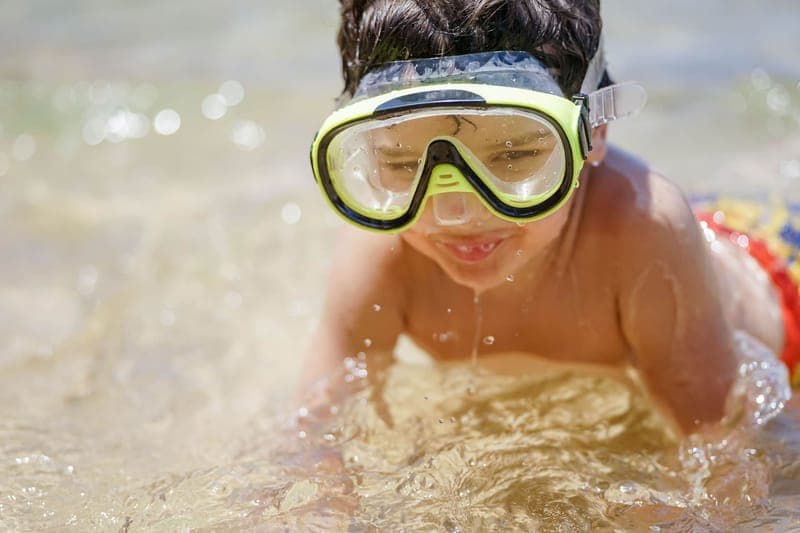
Speedo Kids' Skoogles
The softest, most forgiving gasket in the category — it seals even when a child pulls it on crooked.
Specifications
- Age range
- 3-8 years
- Gasket
- Oversized soft silicone
- Frame
- One-piece, flexible
- Lens
- Anti-fog, UV
What works
- Very forgiving fit — the gasket is deep enough that a crooked pull-on still seals
- Wide, shallow lens avoids the pressure ring that makes small children refuse goggles
- Single-strap adjustment a four-year-old can manage
- Widely stocked, so a mid-trip replacement is realistic
What doesn’t
- Soft gasket leaves a visible mark after a long session
- Too loose on the face of a child over about 8
Who it’s for
A toddler or young child who has tried goggles once and hated them. This is the pair that usually fixes that.
Bottom line
Buy these if the problem is refusal rather than leaking. Comfort is what they optimize for and it works.
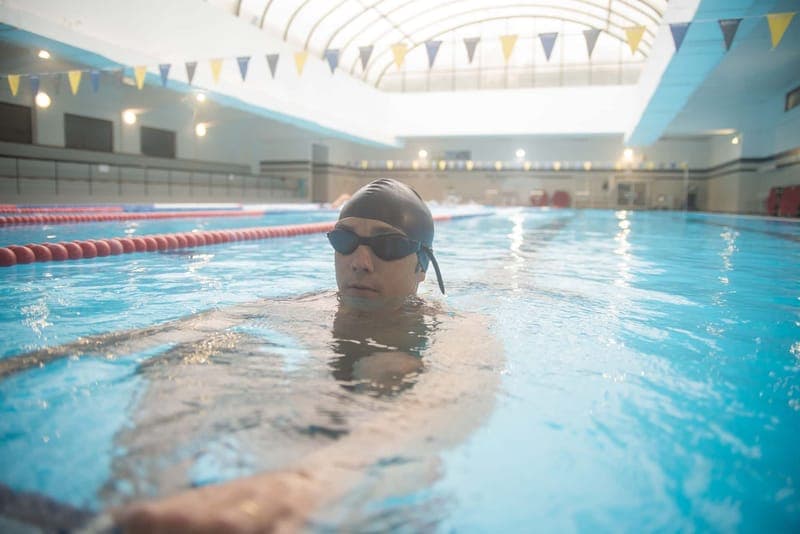
Aqua Sphere Kayenne
Wide curved lenses and a soft gasket — the comfortable choice for long swims rather than fast ones.
Specifications
- Fit
- Wide, adult
- Field of view
- 180-degree style
- Gasket
- Soft silicone, curved
- Lens
- Anti-fog, UV, tinted and mirrored options
What works
- Genuinely comfortable for an hour or more, which low-profile racing goggles are not
- Wide view is worth real money in open water where you are sighting off a buoy or a shoreline
- Easy-adjust buckles you can work while treading water
- Tinted and mirrored lenses cut lake glare
What doesn’t
- Too much drag for pool training sets
- Big lenses scratch if you skip the case
Who it’s for
An adult doing lake swims, triathlon training, or simply long comfortable distance.
Bottom line
The open-water pick for adults. Comfort over an hour beats a sleeker frame you take off at twenty minutes.
Aqua Sphere Vista
A swim mask, not goggles: it seals around the whole eye area and the nose, so nothing presses on the eye socket.
Specifications
- Type
- Swim mask
- Seal
- Around eyes and nose
- Field of view
- Very wide
- Lens
- Anti-fog, UV
What works
- No pressure on the eye socket at all, which solves the most common reason a child refuses goggles
- Covers the nose, so water does not go up it — a real fear for beginners
- Very large field of view
- Sizing runs wide enough to cover older children as well as adults
What doesn’t
- Bulky and draggy, so it is wrong for anyone swimming laps for time
- You breathe through the mouth only, which takes some children a session to accept
Who it’s for
A child who has rejected two or three pairs of conventional goggles, or who panics about water up the nose.
Bottom line
The escape hatch when nothing else works. Not a training choice — but a child in a mask is a child in the water.
Questions
Frequently asked questions
How do I stop goggles leaving raccoon eyes?
How long do goggle marks last?
Do swim masks leave marks?
When should I replace my swim goggles?
Read next