Swimsuits · Guide
How to Choose a Swimsuit
Two questions decide it: how often you swim, and which dimension you run out of first.
The short answer
Choose fabric by frequency — chlorine-resistant PBT if you swim in a pool weekly, anything comfortable if you swim occasionally in a lake. Then choose the cut by which dimension you run out of first: torso length, chest, or hip. Most fit complaints are a length problem, not a size problem.
Photos on this page are licensed images that illustrate the category. They are not photographs of the specific products named, and no product image here is supplied by a manufacturer or retailer.
Question 1 — how often, and in what water?
This decides fabric, and fabric decides how many summers you get.
| How you swim | Fabric to buy | Why |
|---|---|---|
| Chlorinated pool, weekly or more | 100% PBT or polyester | Chlorine destroys elastane; PBT has none to destroy |
| Chlorinated pool, occasionally | Polyester blend | Some protection without the firmer feel |
| Lake or ocean, regularly | Anything comfortable | Sun and fresh water are far gentler than chlorine |
| Lake, a few times a summer | Cheapest that fits | The suit will outlive that use easily |
| Long days in open sun | Prioritize coverage over fabric | A sunsuit or rash guard, not a better fabric |
The common mistake is buying a premium chlorine-resistant suit for a family that swims in a lake six times a summer. Chlorine is the destructive agent, and without it that fabric buys nothing. See chlorine resistant swimsuits.
Question 2 — which dimension do you run out of first?
This is the useful way to think about fit, and it is more productive than body-shape categories. Every one-piece has three constraints — torso length, chest circumference, hip circumference — and a standard suit assumes a particular relationship between them. Discomfort tells you which one is wrong.
- Digs at the shoulders, rides up at the leg: torso too long for the suit. Buy a longer-cut suit, not a bigger one. Going up a size gives you a loose suit that still digs.
- Gapes at the chest, fits elsewhere: chest small relative to the cut. Look for a suit with adjustable straps or built-in support rather than sizing down.
- Tight at the hip, loose at the chest: buy for the hip and look for a cut with more chest adjustment, or consider a two-piece where the halves size independently.
- Straps slide off: cut, not size. A racerback or crossback cannot slide.
- Rides up at the seat: usually a leg-opening cut issue. A higher-cut leg often paradoxically stays put better than a lower one.
Fuller detail on each of these is in swimsuit fit problems.
How to measure
- Chest / bust: around the fullest part, tape level, not pulled tight.
- Waist: at the natural waist, which is the narrowest point.
- Hip: around the fullest part of the hips and seat.
- Torso length: from the top of one shoulder, down the front through the crotch, and back up to the same shoulder. This is the measurement almost nobody takes and the one that explains most complaints.
- Compare against the brand's own chart. Training brands size in inches by chest; fashion brands use dress sizes, which are not comparable.
Buying for a whole family at once
This is where a value buyer actually saves money, and the answer is not to buy everything at the same price point. Allocate by use:
- Anyone in a pool weekly: chlorine-resistant fabric. Two suits each. This is where the money goes.
- Occasional swimmers: the cheapest suit that fits properly. One each.
- Toddlers: cheapest that fits at all, plus a swim diaper decision. They will outgrow it before it wears out.
- Everyone spending long days in open sun: add coverage — a rash guard or a sunsuit. This is a health spend, not a durability one.
- Nobody: premium fashion swimwear. It is the worst value in this category for a family.
The full allocation across all nine gear categories is in family swim gear on a budget.
What makes a suit last
Rinse in cool fresh water immediately after every swim. Not at home an hour later — chlorine left in the fabric keeps working. This single habit does more than any purchase decision short of buying PBT.
Then: wash cool or hand wash, no fabric softener, do not wring, dry flat in shade. Heat and UV both attack elastane, so a tumble dryer or a sunny line undoes the benefit of good fabric. Alternate two suits if you swim often, and avoid sitting on hot rough concrete, which abrades the seat.
Our picks
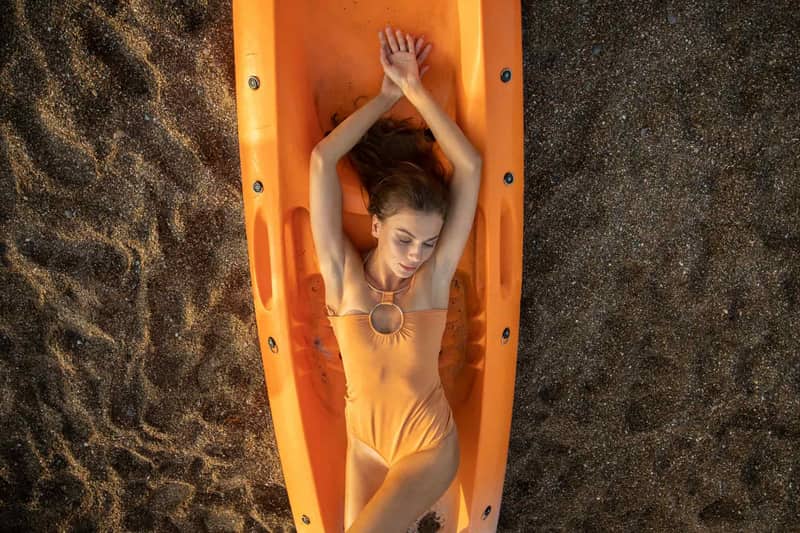
Speedo Women's Endurance+ Super Pro
Endurance+ fabric is the genuine article — it outlasts standard swim fabric several times over in chlorine.
Specifications
- Fabric
- Endurance+ (PBT), 100% chlorine-resistant
- Back
- Super Pro, high coverage
- Sizes
- Women's 28-40
- Lining
- Fully lined
What works
- PBT fabric does not degrade in chlorine — the fabric, not a coating, is what makes this last
- Super Pro back holds the shoulders without cutting in over a long swim
- Holds compression across a full season rather than going slack
- Fully lined, so it stays opaque wet
What doesn’t
- PBT has less stretch than standard swim fabric and feels firmer
- Costs roughly double a fashion one-piece
Who it’s for
A woman swimming laps weekly, or anyone tired of replacing a suit every summer.
Bottom line
Cheaper per swim than any fashion suit. If you swim in chlorine regularly, this is the only sensible fabric.
TYR Women's Durafast Elite Maxfit
TYR's chlorine-proof Durafast Elite in a longer-cut back, for swimmers a standard suit cuts into.
Specifications
- Fabric
- Durafast Elite, chlorine-proof
- Back
- Maxfit, open
- Sizes
- Women's 22-40
- Lining
- Front lined
What works
- Durafast Elite resists chlorine, sunscreen and salt, which is more than most fabrics claim
- Maxfit back is cut longer, so it does not dig at the shoulders on a long torso
- Open back stays cool on outdoor swims
- Genuine size range including smaller and larger sizes
What doesn’t
- Open back gives less sun coverage on the shoulders
- Firm fabric takes a few swims to soften
Who it’s for
Regular swimmers, especially anyone who finds standard one-pieces too short in the body.
Bottom line
The alternative to Endurance+, and better if a standard suit cuts into your shoulders. Both fabrics are the real thing.

Snapper Rock Girls' Long Sleeve Sunsuit
A long-sleeve one-piece sunsuit — swimsuit and rash guard in a single garment, so nothing rides up.
Specifications
- UPF
- 50+
- Sleeves
- Long, integrated
- Closure
- Back or front zip
- Sizes
- Baby through youth
What works
- One garment means no gap at the waist where a rash guard rides up and burns
- Zip closure is far easier than peeling a wet two-piece off a child
- Covers shoulders and upper arms, where kids burn worst
- Chlorine and saltwater resistant
What doesn’t
- Warm on a genuinely hot day
- One-piece long-sleeve designs are awkward for toilet trips
Who it’s for
Children on all-day outdoor water days, especially fair-skinned ones.
Bottom line
Best total coverage of anything here. For a full day in open sun this beats a suit-plus-rash-guard combination.

Speedo Men's Marina Volley Trunk
A short quick-dry volley trunk built to swim in, with a liner and a pocket that drains.
Specifications
- Length
- Approx. 8 in inseam
- Waist
- Elastic with drawcord
- Liner
- Mesh
- Back, drainable
What works
- Short enough to actually swim in — long board shorts fill with water and drag
- Quick-dry fabric means you are not sitting in a wet trunk for an hour after
- Drainable pocket does not hold a liter of lake water
- Priced to own two
What doesn’t
- Above-knee length is not to everyone's taste
- Liner will irritate some wearers
Who it’s for
Anyone who swims rather than wades — laps, lake crossings, keeping up with children.
Bottom line
Buy by inseam, not by brand. Anything past the knee is a beach garment, not swimwear.
Questions
Frequently asked questions
How do I pick a swimsuit for my body type?
How do I choose the size of a swimsuit?
Is an expensive swimsuit worth it?
What is the most important thing for making a swimsuit last?
Read next