Swimsuits · Roundup
Best Girls' Swimsuits (2026)
Five suits sorted by the two things that matter: fabric and torso length.
The short answer
The Speedo Girls' Solid Racerback is the pick for any girl in the pool weekly — chlorine-resistant fabric and straps that stay on the shoulders. If suits always ride up and cut at the shoulders, the problem is torso length and the Hanna Andersson cut solves it.
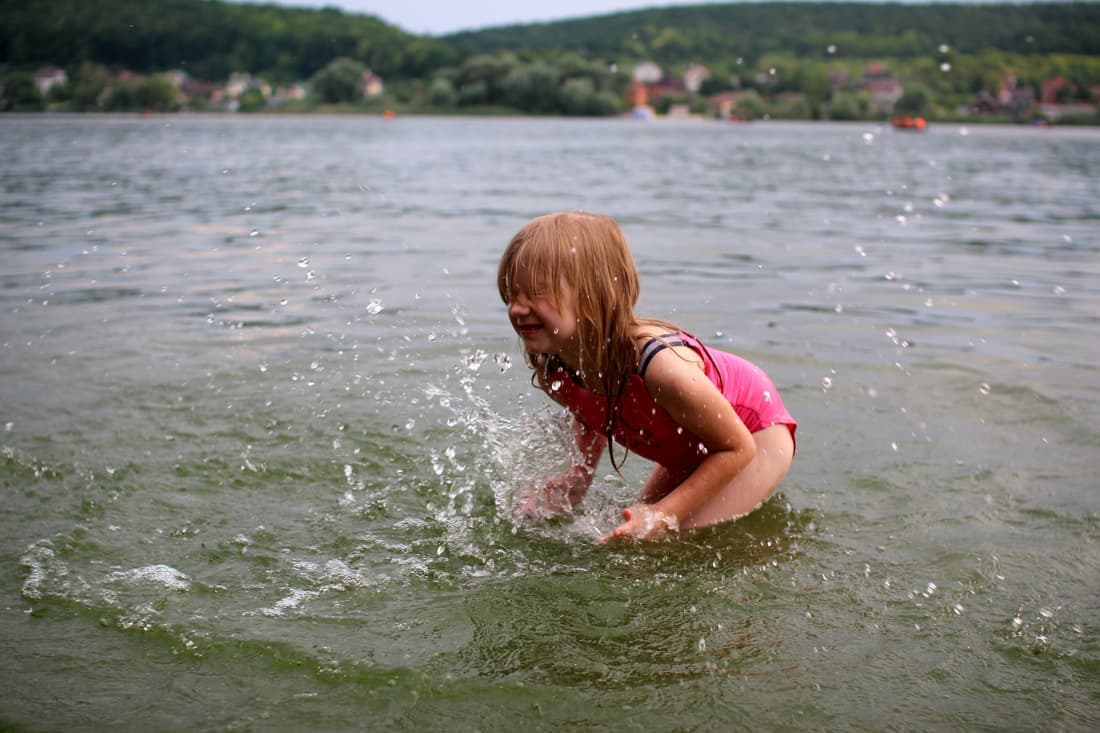
Photos on this page are licensed images that illustrate the category. They are not photographs of the specific products named, and no product image here is supplied by a manufacturer or retailer.
| # | Product | Best for | Fabric | Price |
|---|---|---|---|---|
| 1 | 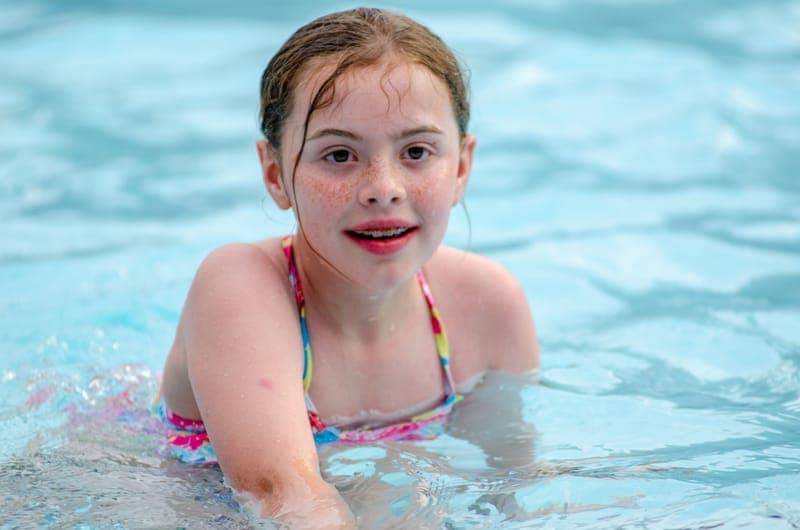 Top pick Speedo Girls' Solid Racerback A plain chlorine-resistant racerback — the suit that survives a full season of weekly lessons. | Lessons and swim team | Chlorine-resistant polyester blend | |
| 2 | Budget pick Dolfin Girls' Uglies One Piece Training-grade chlorine-resistant fabric in loud prints — the compromise between durable and wearable. | Prints kids will wear | Chlorine-resistant polyester | |
| 3 | Upgrade pick Hanna Andersson Kids' One Piece A generously cut UPF 50+ one piece with genuine torso length, which is the fit problem most suits ignore. | Long torsos, UPF coverage | 50+ | |
| 4 | Also good Snapper Rock Girls' Long Sleeve Sunsuit A long-sleeve one-piece sunsuit — swimsuit and rash guard in a single garment, so nothing rides up. | Maximum sun coverage | 50+ | |
| 5 |  Also good i play. by green sprouts Toddler Swimsuit A UPF 50+ toddler suit with a reusable swim diaper built in, which removes one garment from the pile. | Toddlers, built-in diaper | 50+ |
Two decisions, and neither is about the print
Fabric decides how many summers you get. A fashion swimsuit is roughly 80% nylon and 20% elastane, and chlorine attacks elastane. In a pool used weekly that suit goes baggy, then thin, then translucent inside a season. Fabrics sold as chlorine-resistant replace most of that elastane with PBT, a polyester relative chlorine barely touches, and they last several times longer.
Torso length decides whether the suit gets worn. The complaint that comes up most often is a one-piece that rides up and cuts into the shoulders, and that is almost never a chest-size problem. A child can be a perfect chest fit and still be too long in the body for a standard cut. Going up a chest size gives you a loose suit that still cuts in.
Print is the third thing, and it is not nothing — a suit a child refuses to wear is a wasted purchase. That is exactly why training brands make loud prints in durable fabric, and why the budget pick below exists.
Speedo Girls' Solid Racerback
A plain chlorine-resistant racerback — the suit that survives a full season of weekly lessons.
Specifications
- Fabric
- Chlorine-resistant polyester blend
- Back
- Racerback
- Sizes
- Girls 4-16
- Lining
- Front lined
What works
- Chlorine-resistant fabric holds shape and color where a fashion suit goes see-through by August
- Racerback straps do not slide off shoulders mid-lesson, which is the real reason kids tug at suits
- Full coverage, so a child is not adjusting it every time they climb out
- Cheap enough to own two so one is always dry
What doesn’t
- Plain and unfashionable — older children may object
- Chlorine-resistant fabrics feel stiffer than fashion swim fabric
Who it’s for
A girl in weekly lessons or on a summer team, where a suit gets chlorinated repeatedly.
Bottom line
The workhorse. If your child is in a pool every week, buy this rather than a fashion suit and replace it half as often.
Dolfin Girls' Uglies One Piece
Training-grade chlorine-resistant fabric in loud prints — the compromise between durable and wearable.
Specifications
- Fabric
- Chlorine-resistant polyester
- Back
- V-back and racerback options
- Sizes
- Girls 22-32 (chest)
- Prints
- Wide seasonal range
What works
- Same durability tier as a plain training suit, in prints children actually choose themselves
- Sized by chest measurement rather than age, which fits real bodies far better
- Signature striped straps make it easy to identify in a pile of identical suits
- Holds up through a full competitive season
What doesn’t
- Chest sizing means you have to measure rather than guess
- Prints rotate seasonally, so re-buying the same one next size up may not be possible
Who it’s for
A girl who refuses plain suits but needs training-grade durability.
Bottom line
The pick that ends the argument. Measure the chest before ordering; age sizing does not apply here.
Hanna Andersson Kids' One Piece
A generously cut UPF 50+ one piece with genuine torso length, which is the fit problem most suits ignore.
Specifications
- UPF
- 50+
- Cut
- Generous torso length
- Sizes
- Toddler through youth 16
- Fabric
- Recycled polyester blend
What works
- Cut long through the body — the fix for a child whose suits ride up and dig at the shoulders
- UPF 50+ across the covered area, so it is sun protection as well as a swimsuit
- Heavier fabric that does not thin out after a season
- Sizes run true, so next year's size is predictable
What doesn’t
- Priced well above a training suit
- Not chlorine-resistant fabric, so heavy pool use shortens its life
Who it’s for
A tall or long-torsoed child, or one who swims mostly outdoors where UPF matters.
Bottom line
The fit pick. If suits always ride up on your child, the problem is torso length and this is the answer.
Snapper Rock Girls' Long Sleeve Sunsuit
A long-sleeve one-piece sunsuit — swimsuit and rash guard in a single garment, so nothing rides up.
Specifications
- UPF
- 50+
- Sleeves
- Long, integrated
- Closure
- Back or front zip
- Sizes
- Baby through youth
What works
- One garment means no gap at the waist where a rash guard rides up and burns
- Zip closure is far easier than peeling a wet two-piece off a child
- Covers shoulders and upper arms, where kids burn worst
- Chlorine and saltwater resistant
What doesn’t
- Warm on a genuinely hot day
- One-piece long-sleeve designs are awkward for toilet trips
Who it’s for
Children on all-day outdoor water days, especially fair-skinned ones.
Bottom line
Best total coverage of anything here. For a full day in open sun this beats a suit-plus-rash-guard combination.
i play. by green sprouts Toddler Swimsuit
A UPF 50+ toddler suit with a reusable swim diaper built in, which removes one garment from the pile.
Specifications
- UPF
- 50+
- Swim diaper
- Built in, reusable
- Sizes
- 6 months to 4T
- Closure
- Snap or zip by style
What works
- The built-in diaper means one garment instead of two and no waistband gap
- Meets the snug-fit containment most public pools require
- UPF 50+ on the fabric
- Sizing matches the same brand's rash guards and swim diapers
What doesn’t
- You cannot change the diaper without removing the whole suit
- Built-in layer takes noticeably longer to dry
Who it’s for
A not-yet-toilet-trained toddler doing short swims — lessons, splash pads, an hour at the lake.
Bottom line
Best for short sessions. For a full day, a separate swim diaper plus a suit is more practical.
What to look for in a girls' swimsuit
Fiber content, not marketing. Genuine chlorine-resistant suits are majority PBT or polyester — often 100% PBT, or a polyester blend with under 20% elastane. A suit listed as 80% nylon / 20% elastane is a fashion fabric whatever the label says.
A racerback or a crossback, for anyone actually swimming. Straight shoulder straps slide off, and a child tugging at straps mid-lesson is not learning anything. Racerback straps stay put.
A full front lining. It is what keeps a suit opaque when wet, and it is the first thing cut from a cheap suit.
Chest sizing where available. Training brands size girls' suits by chest measurement in inches — a 26 is a 26 whether the child is seven or nine. It is far more reliable than age sizing.
Coverage, if the swimming is outdoors. A long-sleeve sunsuit covers the shoulders and upper back — where children burn worst — in one garment, with no waistband gap for a rash guard to ride up from. See UPF ratings explained.
How much should you spend?
Match the fabric to the frequency. In a pool weekly: buy chlorine-resistant, because the cost per swim is lower even though the sticker price is higher. Six times a summer at a lake: buy the cheaper suit — lake water and sunlight are far gentler than chlorine and a fashion fabric will outlive that easily.
Buy two suits rather than one better one if your daughter swims more than once a week. A wet suit takes most of a day to dry, and putting a damp suit back on is the fastest route to a child not wanting to swim.
Spend more in one case only: a genuine fit problem. A longer-torso cut costs noticeably more and it is the right purchase if standard suits always ride up, because no amount of sizing fixes that.
Will it last a second summer?
A chlorine-resistant suit will usually survive two or three seasons of fabric wear. What ends it first is growth, and the useful thing to know is which dimension runs out: torso length, usually, before chest circumference. A suit that still fits around the chest but has started riding up has been outgrown.
To get the most out of whichever you buy: rinse in fresh water immediately after swimming rather than letting chlorine sit in the fabric, wash cool, and never tumble dry. Heat destroys elastane, and it is the single fastest way to ruin a swimsuit.
Also, avoid sitting on rough concrete pool edges in a swimsuit. Abrasion on the seat is what finishes most children's suits before the fabric chemistry does.
Questions
Frequently asked questions
What is the best swimsuit for a girl who swims weekly?
What size swimsuit should I buy for a girl?
Why do my daughter's swimsuits always ride up?
How many swimsuits does a girl need?
Sources
Read next