Water Shoes · Guide
Water Shoe Sizing Guide
Snug, true to size, and check the width. Sizing up is the mistake.
The short answer
Buy water shoes true to street size and snug — closer than a street shoe. A loose water shoe fills, pumps water with every step and slides on the foot, which is how blisters start. Do not size up for growth, and check width: Native runs narrow, Crocs run wide.
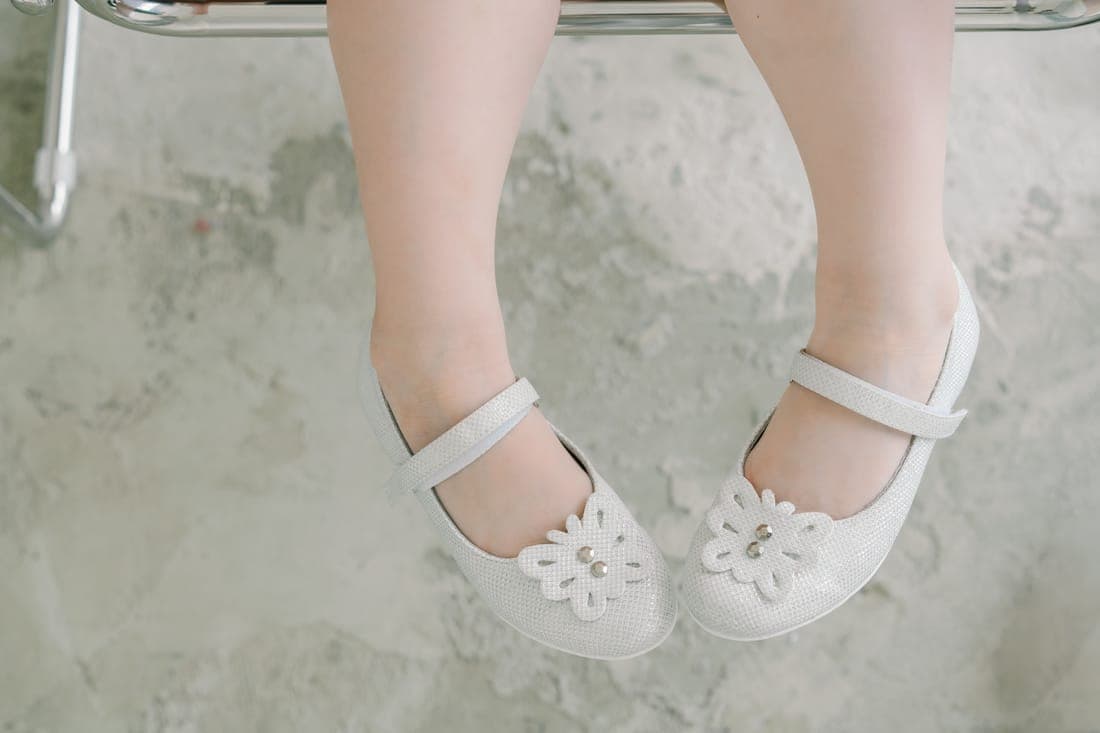
Photos on this page are licensed images that illustrate the category. They are not photographs of the specific products named, and no product image here is supplied by a manufacturer or retailer.
Why snug, not roomy
This is the opposite of how most parents buy children's shoes, and the reasoning is specific to water. A shoe with space in it fills with water, and water is heavy. Every step then pumps it in and out, the shoe slides on the foot, and the sliding is what causes blisters.
A loose shoe is also more likely to come off entirely in deep water, which is both a lost shoe and a safety issue if the bottom is rocky and the child now has one bare foot.
So the target is snug with the toes not touching the end — closer than you would buy a street shoe, with no room to grow. If you want two summers out of one pair, you are better served buying a closed-toe sandal that hands down to a sibling than buying a shoe a size too big now.
How to measure
- Stand the child on a piece of paper against a wall, heel touching the wall, weight on the foot.
- Mark the paper at the end of the longest toe — which is not always the big toe.
- Measure heel to mark in millimeters. Do both feet; they are often different, and you buy for the longer one.
- Measure width too: the widest point across the ball of the foot.
- Measure at the end of the day, when feet are at their largest.
- Compare against the brand's own size chart rather than a general conversion. Water shoe brands vary.
If the shoes will be worn with neoprene socks, measure with the socks on. A 2-3mm sock takes up noticeable volume and is a common cause of a shoe that fitted in the shop being too tight at the lake.
Width is where sizing usually fails
| Brand | Width | Note |
|---|---|---|
| Native Shoes | Narrow | The best option for a genuinely narrow foot |
| KEEN | Medium to wide | Roomy toe box; good for a wide forefoot |
| Merrell | Medium | One-piece EVA has some give |
| Teva | Medium | Three adjustment points compensate for shape |
| Crocs | Wide | Loose fit is why they come off in water |
| Speedo slip-ons | Medium, stretchy | Stretch upper accommodates a range |
A shoe that is the right length and the wrong width is uncomfortable in a way that going up a size does not fix. If a child has narrow heels and the shoe slips, or a wide forefoot and the sides bulge, the answer is a different brand rather than a different size.
Signs the fit is wrong
- Water sloshing audibly as they walk. Too big.
- The heel lifting on each step. Too big, or the wrong heel shape.
- Red marks across the top of the foot after an hour. Too narrow, or over-cinched.
- Toes curled against the end. Too short — check when standing, not sitting.
- Blisters on the inner foot. Classic sign of a shoe sliding, which means too loose.
- The shoe coming off in the water. Too big, or no heel retention at all.
Sizing for a growing foot
Children's feet grow roughly half a size to a size a year through the primary years, faster in growth spurts. For a water shoe worn a dozen times a summer, that means one season per pair at the cheap end, and it means buying cheap is the rational choice.
For a closed-toe sandal at three or four times the price, the calculation changes if you have a younger child to hand it down to. Those shoes routinely survive two children, and buying one properly-fitting pair per year that then passes down is better value than buying two ill-fitting pairs.
What does not work is the traditional trick of sizing up and letting them grow into it. In water that produces exactly the failure modes above.
What we recommend
Measure both feet at the end of the day, buy true to size and snug, check the brand's width against your child's foot, and do not size up. If you want longevity, buy a closed-toe sandal that will hand down rather than a bigger cheap shoe.
KEEN Newport H2
A closed-toe water sandal with a real rubber outsole — the only style that protects toes on a rocky shoreline.
Specifications
- Toe
- Closed, rubber bumper
- Outsole
- Non-marking rubber, lugged
- Closure
- Bungee lace
- Drainage
- Open side panels
What works
- The closed toe bumper is the feature — stubbed toes on submerged rocks are the actual injury at a lake
- Lugged rubber outsole grips wet rock and algae-covered boat ramps
- Bungee lace cinches once and stays, so it does not come off in mud
- Genuinely lasts long enough to hand down to a sibling
What doesn’t
- Heaviest option here and the slowest to dry
- Most expensive kids' water shoe in the category
Who it’s for
A child at a rocky, weedy or gravelly lake, or one who walks in and out of the water all day.
Bottom line
The lake pick. If the bottom is rock or the shore is gravel, nothing else in this list is adequate.
Native Shoes Jefferson
A one-piece injection-molded slip-on that is light, narrow-friendly, and survives being handed down.
Specifications
- Construction
- One-piece injection-molded EVA
- Fit
- Runs narrow
- Weight
- Very light
- Care
- Machine washable
What works
- The only shoe here that reliably fits a narrow foot without heel slip
- Machine washable, which matters after lake mud
- Durable out of proportion to how light it is — these get handed down twice
- Looks like a normal shoe, so children wear them off the beach too
What doesn’t
- Narrow fit is genuinely wrong for a wide foot
- No heel strap, so it can slip off in deep water
Who it’s for
Children with narrow feet, and families who want one shoe for water and general summer wear.
Bottom line
Best for narrow feet and for passing along. Measure width before buying — that is the whole decision here.
Speedo Kids' Surfwalker Pro
A slip-on water shoe with a thin rubber sole — everything a splash pad or pool deck needs, at a price that makes replacement painless.
Specifications
- Construction
- Stretch upper, rubber sole
- Closure
- Slip-on
- Weight
- Light
- Drainage
- Perforated sole
What works
- Cheap enough to buy a size up and a size down without thinking about it
- Thin rubber sole is grippy on wet pool decks, which is where kids actually slip
- Slip-on means a four-year-old manages it alone
- Packs flat in a swim bag
What doesn’t
- Thin sole transmits every rock; wrong for a stony lake bottom
- Stretch upper loosens over a season and starts slipping off
Who it’s for
Pools, splash pads, cruise decks and sandy beaches — anywhere the ground is flat.
Bottom line
The budget pick and genuinely adequate for smooth surfaces. Outfitting three kids? Buy these.
Questions
Frequently asked questions
Should water shoes be tight or loose?
Do water shoes run true to size?
Should I size up water shoes for my child to grow into?
How do I size water shoes worn with neoprene socks?
Read next