Baby & Toddler · Roundup
Best Baby Wetsuits (2026)
Six suits sorted by age - and by how hard each one is to get onto a squirming baby, which matters more than you expect.
The short answer
For a baby in regular lessons or water under about 80 F, the Splash About Warm In One is the pick: fleece-lined neoprene over the arms and legs with UPF 50+, sized in narrow age bands. For the cheapest real warmth, the 2mm Splash About Baby Wrap costs less and opens completely flat, which halves the fight.
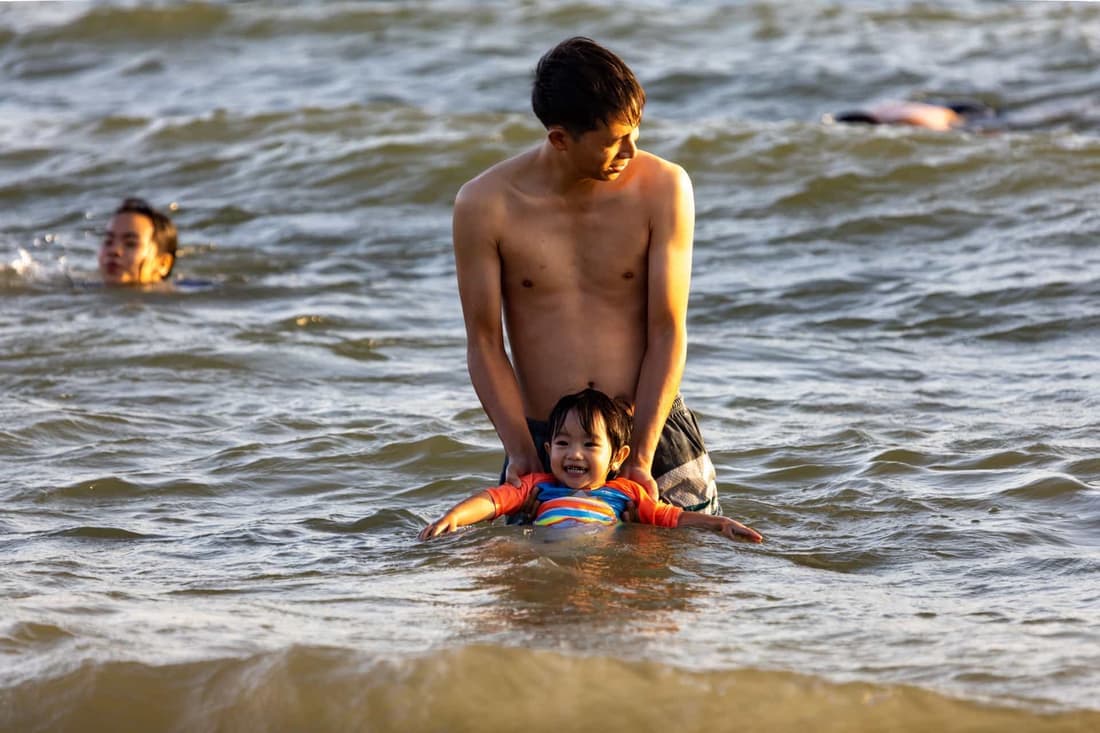
Product photos are the retailer’s own catalogue images, shown from the retailer’s servers and refreshed daily. Any other photo here is a licensed image that illustrates the category, not a photograph of the specific product named.
| # | Product | Best for | Thickness | Price |
|---|---|---|---|---|
| 1 | 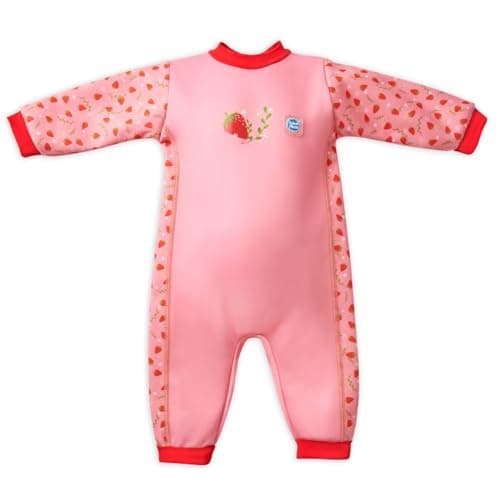 Top pick Splash About Warm In One Baby Wetsuit A fleece-lined neoprene all-in-one that covers arms and legs - the warmest thing here for a baby who is being held, not swimming. | Babies in swim lessons | Fleece | |
| 2 | 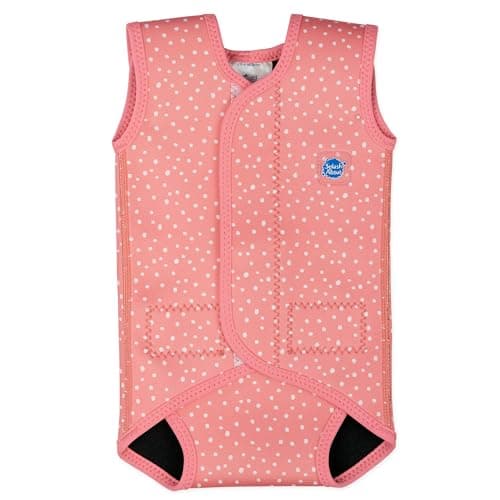 Budget pick Splash About Baby Wrap Wetsuit 2mm neoprene that opens completely flat and fastens with hook-and-loop - the easiest suit here to get onto a newborn. | Cheapest real warmth | 2mm neoprene | |
| 3 | 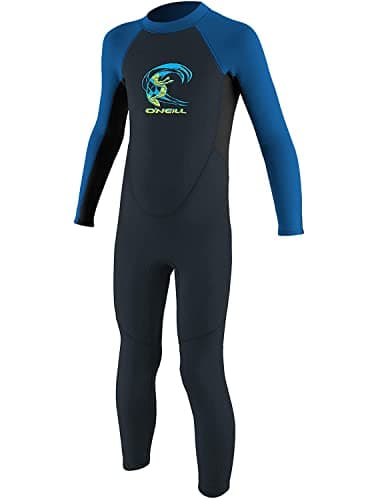 Upgrade pick O'Neill Toddler Reactor-2 2mm Full Wetsuit A real surf-brand full suit cut down to toddler sizes - the only pick here that covers the arms and legs as well as the core. | Toddlers, genuinely cold water | 2mm | |
| 4 | 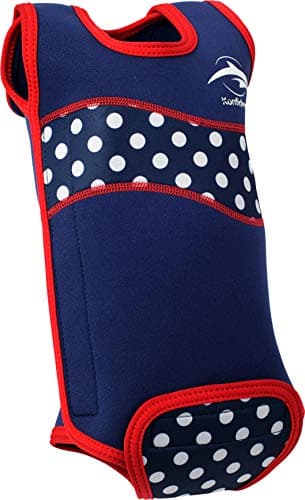 Also good Konfidence Babywarma Baby Wetsuit The original baby wrap-suit: 2mm neoprene with hook-and-loop on three sides, sized from newborn. | Newborns and tiny babies | 2mm neoprene | |
| 5 | 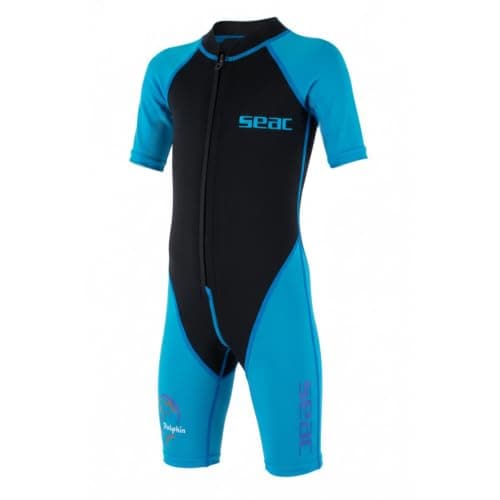 Also good SEAC Dolphin 1.5mm Shorty Wetsuit A thin neoprene-and-spandex shorty for preschoolers - the suit for a warm afternoon on water that is merely cool. | Warm days, cool water | 1.5mm | |
| 6 | 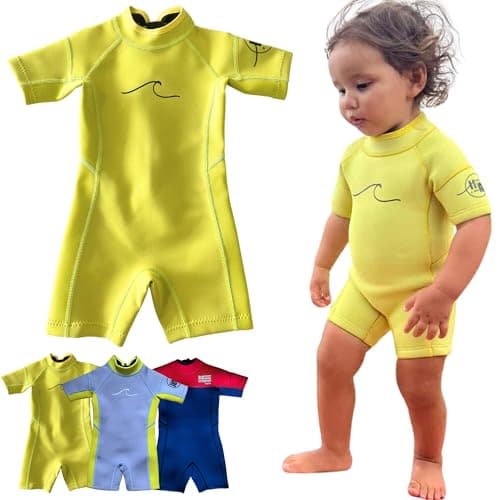 Also good Selective HA Baby Toddler Neoprene Shorty Wetsuit A small-maker shorty offered in 1.5mm or 2.5mm, including Yamamoto neoprene - unusually soft for a suit this small. | Softest neoprene, baby sizes | 1.5mm or 2.5mm, by option |
A baby gets cold in water you would call pleasant
This is the fact the whole category rests on, and it surprises most first-time parents at the water's edge. A baby has a large surface area for their body mass, almost no muscle to generate heat, and very little fat to hold it. They lose heat into water several times faster than you do, and they cannot tell you about it until they are already miserable.
That is why a 78 F lake that feels mild to an adult will have a nine-month-old shivering within ten or fifteen minutes. The visible signs come late: shivering, blue lips, blue fingertips, and a baby who has gone quiet and still rather than fussy. A wetsuit does not make the water warmer - it slows the loss, and it typically turns ten tolerable minutes into thirty or forty.
So the question is not whether the water is warm enough for you. It is how long you want the baby to be in it. If the answer is five minutes of dunking at the end of a lake afternoon, you do not need any of this. If the answer is a weekly thirty-minute lesson, or an afternoon where the baby is in and out all day, a wetsuit is the single thing that makes it work.
Splash About Warm In One Baby Wetsuit
A fleece-lined neoprene all-in-one that covers arms and legs - the warmest thing here for a baby who is being held, not swimming.
Specifications
- Lining
- Fleece
- Cut
- Long sleeve, long leg, one piece
- Sun
- UPF 50+
- Sizes
- 0-3m up to 12-24m
What works
- Full-length arms and legs, which is the coverage a baby needs because they produce almost no heat of their own
- Fleece lining makes it tolerable going on dry, which matters when the alternative is forcing cold neoprene over a baby
- UPF 50+ across the back and shoulders, so it does the sun job and the warmth job in one garment
- Sized in narrow age bands rather than one stretchy size, so it actually fits
What doesn’t
- A full-body suit is the slowest thing here to get on and off, which is a real cost at a lakeside changing bench
- The brand does not publish a neoprene thickness, so you cannot compare it on paper against a 2mm suit
- Narrow age bands mean a short working life - most babies get one season out of a size
Who it’s for
A baby in weekly swim lessons, or any infant in water under about 80 F.
Bottom line
The warmest baby option here and the right default for lessons. For ten minutes in a warm lake it is more suit than you need.
Splash About Baby Wrap Wetsuit
2mm neoprene that opens completely flat and fastens with hook-and-loop - the easiest suit here to get onto a newborn.
Specifications
- Thickness
- 2mm neoprene
- Closure
- Hook-and-loop, opens flat
- Sun
- UPF 50+
- Sizes
- 0-6m, 6-18m, 18-30m
What works
- Opens completely flat, so you lay the baby on it rather than threading limbs through a tube - the single best feature on any baby wetsuit
- Covers the core where a baby loses heat, and leaves the limbs free
- Cheapest route to genuine neoprene warmth here
- Wide age bands, so one size covers a longer stretch than the Warm In One
What doesn’t
- Bare arms and legs, so it is warmth for the torso only - not enough for a cold lake
- Hook-and-loop collects sand and grit at a lake and loses grip over a season
- The wrap shape is loose by design, so it rides and needs resetting during a session
Who it’s for
A newborn to toddler in warm-ish water, and any parent who dreads the changing-bench fight.
Bottom line
The one to buy first. If your baby still gets cold in it, move up to the full-length Warm In One rather than a thicker wrap.
O'Neill Toddler Reactor-2 2mm Full Wetsuit
A real surf-brand full suit cut down to toddler sizes - the only pick here that covers the arms and legs as well as the core.
Specifications
- Thickness
- 2mm
- Cut
- Long sleeve, long leg
- Neoprene
- UltraFlex
- Entry
- Back zip
- Sizes
- Toddler 1 upward
What works
- Full-length arms and legs in real surf neoprene, which is the most warmth any suit on this page delivers
- Flatlock-stitched construction survives a season of being dragged over a dock and still fits a younger sibling
- Back zip with a long pull, so one adult can get a wriggling child in and out
- Sizes start at toddler 1, which is where the cheap baby wraps stop
What doesn’t
- The most expensive suit here by a clear margin, and it will be outgrown in a season or two
- A full suit is the hardest thing on this page to get onto a damp, impatient toddler
- Too much suit for a baby - the smallest size still assumes a child who walks, and too warm for a hot July lake
Who it’s for
A one-to-four-year-old who swims in cold water repeatedly, or a family with younger children to hand it down to.
Bottom line
The buy-once option, and the only real answer for cold water. For a cool lake on a warm day it is more suit than you need.
Konfidence Babywarma Baby Wetsuit
The original baby wrap-suit: 2mm neoprene with hook-and-loop on three sides, sized from newborn.
Specifications
- Thickness
- 2mm neoprene
- Closure
- Hook-and-loop at top, bottom and side
- Sun
- UPF 50+ claimed
- Sizes
- From 0-6 months
What works
- Starts at 0-6 months, which is smaller than most neoprene is made
- Three separate fastening points, so you can tune the fit on a baby whose shape changes monthly
- Opens flat like the Splash About wrap, with the same easy-on advantage
- Long-established product with a stable design, so a secondhand one is easy to find and easy to judge
What doesn’t
- Retailers disagree on the age range - some list 0-24 months, some list 12-24 - so check the specific listing before ordering
- Torso-only warmth, the same as any wrap suit
- Prints and colors rotate constantly, and specific size-color combinations go out of stock for a season
Who it’s for
A baby under about a year, especially one going into a cool pool or lake for short sessions.
Bottom line
The smallest real wetsuit most families can buy. Confirm the age band on the listing you order, because it varies.
SEAC Dolphin 1.5mm Shorty Wetsuit
A thin neoprene-and-spandex shorty for preschoolers - the suit for a warm afternoon on water that is merely cool.
Specifications
- Thickness
- 1.5mm
- Cut
- Short sleeve, short leg
- Fabric
- Neoprene and spandex
- Sizes
- From about age 2
What works
- 1.5mm stretches far more than 2mm, so a toddler can still move and a parent can still get it on
- Thin enough to dry by the end of the afternoon rather than overnight
- A conventional shorty cut rather than a wrap, which some children prefer because it looks like what older siblings wear
- Dive-brand construction, so the seams are better than the price suggests
What doesn’t
- 1.5mm is the thinnest suit here - it buys maybe half an hour, not an afternoon
- Starts around age two, so it is no use for a baby
- Sized by age in European bands, so measure rather than trusting the number
Who it’s for
A two-to-five-year-old on a July lake that is cool rather than cold.
Bottom line
A sensible light option. If your child's lips go blue in it, you needed 2mm and should not have split the difference.
Selective HA Baby Toddler Neoprene Shorty Wetsuit
A small-maker shorty offered in 1.5mm or 2.5mm, including Yamamoto neoprene - unusually soft for a suit this small.
Specifications
- Thickness
- 1.5mm or 2.5mm, by option
- Neoprene
- Yamamoto or conventional, by option
- Cut
- Short sleeve shorty / springsuit
- Sizes
- Baby through toddler, incl. 2T
What works
- You choose the thickness, which no other baby suit here lets you do
- The Yamamoto option is markedly softer and stretchier than standard neoprene, so a baby fights it less
- Made in genuinely small sizes, below where the toddler surf ranges start
- A shorty cut in 2.5mm is warmer than any 2mm wrap while still being easy to put on
What doesn’t
- Most expensive option here after the O'Neill, for a suit with the shortest useful life
- Small maker: sizing guidance is thin and there is little independent feedback to check it against
- Options are confusing - thickness, neoprene type and sleeve length all vary by listing, so read the variant you are actually adding to the cart
Who it’s for
A parent who already knows their baby hates stiff neoprene, and who wants to pick the thickness themselves.
Bottom line
The one to buy if softness is the problem you are solving. Otherwise the Splash About wrap does most of the job for less than half the money.
Three shapes, and the shape decides everything
Baby wetsuits come in three forms, and the difference between them is bigger than the difference between any two suits of the same form. Pick the shape first.
| Shape | Covers | Best for | The trade |
|---|---|---|---|
| Wrap suit | Torso only, bare limbs | Newborn to toddler, short sessions | Opens flat - by far the easiest on and off |
| All-in-one | Arms and legs too | Lessons, cool water, longer sessions | Warmest, and the slowest to get on |
| Shorty / springsuit | Torso, short sleeves and legs | Toddlers from about two | A compromise, and the cut most kids prefer |
| Full suit | Arms and legs, full length | Genuinely cold water, age 1+ | Most warmth, most money, most fight |
A wrap suit is a flat piece of 2mm neoprene with hook-and-loop fastenings. You lay the baby on it and fold it around them, which is the single most important feature on this page and the reason the wrap is what most families should buy first. It warms the core and leaves the arms and legs bare, which is enough for cool-but-not-cold water.
An all-in-one covers the limbs as well, usually with a fleece lining, and it is the warmest option that still fits a baby under a year. It is also a tube you have to thread four limbs through while the baby arches their back, and at a lakeside bench with nowhere to lay them down, that is a genuine cost rather than a quibble.
A shorty and a full suit are conventional wetsuits made small. They start at around age two and one respectively, they are built like surf gear rather than babywear, and they last long enough to hand down. Before a child walks, they are the wrong shape.
How much thickness a baby actually needs
Thickness is quoted in millimeters of neoprene, and in baby sizes the whole range is narrow: 1.5mm, 2mm and 2.5mm is essentially the entire market. The differences are still real.
- 1.5mm is a warm-day suit. It stretches well, goes on easily and buys perhaps half an hour on water that is merely cool. On a cold lake it is not enough and no amount of patience changes that.
- 2mm is the standard and the right default. Every wrap suit here is 2mm, and so is the toddler surf gear - it is the thickness that balances warmth against a parent's ability to get it on.
- 2.5mm and up starts to be a real wetsuit, with real resistance when you are dressing a baby. Worth it only if you already know your child gets cold faster than their siblings.
Coverage beats thickness at this age. A 2mm all-in-one with full-length arms and legs is substantially warmer than a 2.5mm shorty, because the limbs are where a small body loses most of its heat. If you are choosing between more millimeters and more coverage, take the coverage.
One honest note on published specs: baby wetsuit brands are inconsistent about publishing thickness at all, and retailer listings for the same suit sometimes disagree. Where a brand does not state a figure, we have said so on the pick rather than guessing one.
Sizing, and why you should not size up
A wetsuit works by holding a thin layer of water against the skin and letting body heat warm it. A loose suit flushes that layer out and replaces it with cold water every time the baby moves, which is why an oversized wetsuit can be worse than no wetsuit - it is cold and it is drag.
So buy the size that fits now, not the one they will grow into. That is painful advice for a garment with a four-month working life, and it is still the right advice. The consolation is that neoprene baby suits hold their value and resell readily, because every parent buying one knows exactly this.
Go by chest measurement where a brand gives one, not by the age on the label. Age bands across these brands do not line up with each other, and retailer listings for the same suit sometimes quote different ranges - the Babywarma is listed as 0-24 months by some sellers and 12-24 by others. Measure the chest, read the specific listing's chart, and ignore the number on the front of the box. The same approach that works for swim diaper sizing applies here.
A correctly fitted baby wetsuit looks snug to the point of looking slightly wrong. It should have no loose folds at the chest or the crotch, and you should not be able to pinch much fabric away from the body. It will still let you get two fingers inside the neck.
The getting-it-on problem is the real review criterion
Every parent who has owned one of these knows what actually decides whether a baby wetsuit gets used, and it is not warmth ratings. It is whether you can get the thing on and off at a lake, standing up, with sand everywhere and a baby who has decided against the whole enterprise.
Flat-opening wrap suits win this outright. Hook-and-loop all-in-ones come second. Back-zip suits that have to be stepped into come last, and a back-zip full suit on a wet toddler is a two-adult job the first few times.
Two practical things that help regardless of which you buy. Put the suit on dry, at the car, before anyone is wet - neoprene over damp skin is three times the fight. And rinse the hook-and-loop in fresh water every single time, because lake sand clogs it within a season and a wrap suit that will not fasten is a wrap suit you have thrown away.
Sun protection is half of what you are buying
Neoprene is effectively opaque, and most of these suits are rated UPF 50+, so a baby wetsuit also solves the problem of keeping sunscreen on a wriggling infant across their whole back and shoulders. On an all-in-one it covers the arms as well.
That changes the value calculation, especially for babies under six months, where shade and clothing are the recommended approach rather than sunscreen. If you were already going to buy a long-sleeve rash guard, a wrap suit covers less area but adds warmth, and the two are genuinely complementary rather than alternatives. Our baby sun protection guide covers the rest of it, and best rash guards for babies covers the sun-only option.
What a wetsuit does not cover is the face, the neck, the hands and the feet, and on a lake the reflected light off the water hits all four. A hat with a brim and shade at the water's edge still do the heavy lifting.
Is it worth it for one season?
Sometimes honestly not, and it is worth being clear about when.
If the baby goes in the water a handful of times a summer, for ten minutes, in August, skip it. Warm the baby up with a towel and a dry change instead, and spend the money on shade. A wetsuit solves a duration problem, and if you do not have a duration problem you do not need one.
If there are weekly lessons, a cold northern lake, a spring-fed swimming hole, or a baby who reliably goes blue before everyone else, buy one - the cheap wrap suit, first, and move up only if it is not enough. And if there are younger siblings coming, the arithmetic shifts hard toward the better suit: neoprene outlasts the child by a wide margin, so a 2mm suit that fits two or three children in turn is the cheapest warmth in this entire category.
Either way, rinse it in fresh water after every swim and dry it flat in the shade rather than on a hanger in the sun, which is what cracks neoprene at the shoulders. A baby wetsuit treated that way genuinely does three summers.
What we would buy
First baby, first summer, cool water: the Splash About Baby Wrap. It is the cheapest real neoprene here, it opens flat, and it tells you within one session whether you needed more suit than that.
Weekly lessons, or water under about 80 F: the Splash About Warm In One, for the fleece lining and the full-length limbs. This is the pick that makes a thirty-minute lesson comfortable instead of an endurance test.
A walking toddler on a genuinely cold lake, with a sibling behind them: the O'Neill Toddler Reactor-2 full suit. It is the most expensive thing here by a clear margin and it is built to a different standard, which only pays back across more than one child or more than one summer.
Questions
Frequently asked questions
At what water temperature does a baby need a wetsuit?
What thickness wetsuit does a baby need?
Is a baby wetsuit a flotation device?
Should I size up a baby wetsuit so it lasts?
Baby wrap wetsuit or an all-in-one?
Can a newborn wear a wetsuit?
Sources
- Splash About - Baby Wetsuit, Happy Nappy Costume or Baby Wrap: A Comparison Guide
- Decathlon UK - Konfidence Babywarma Neoprene Baby Wetsuit (2mm specification)
- Natural Baby Shower - Splash About Warm In One (size and chest measurements)
- HealthyChildren.org (AAP) — Water Safety and Young Children
- Skin Cancer Foundation — Sun-Protective Clothing
Read next