Baby & Toddler · Guide
Baby Sun Protection at the Lake
For a baby the order is shade, then fabric, then sunscreen on what is left.
The short answer
For babies, shade and clothing come before sunscreen. The American Academy of Pediatrics advises keeping infants under 6 months out of direct sun and using shade and clothing as the primary protection, with a small amount of sunscreen on exposed areas where shade is not available.
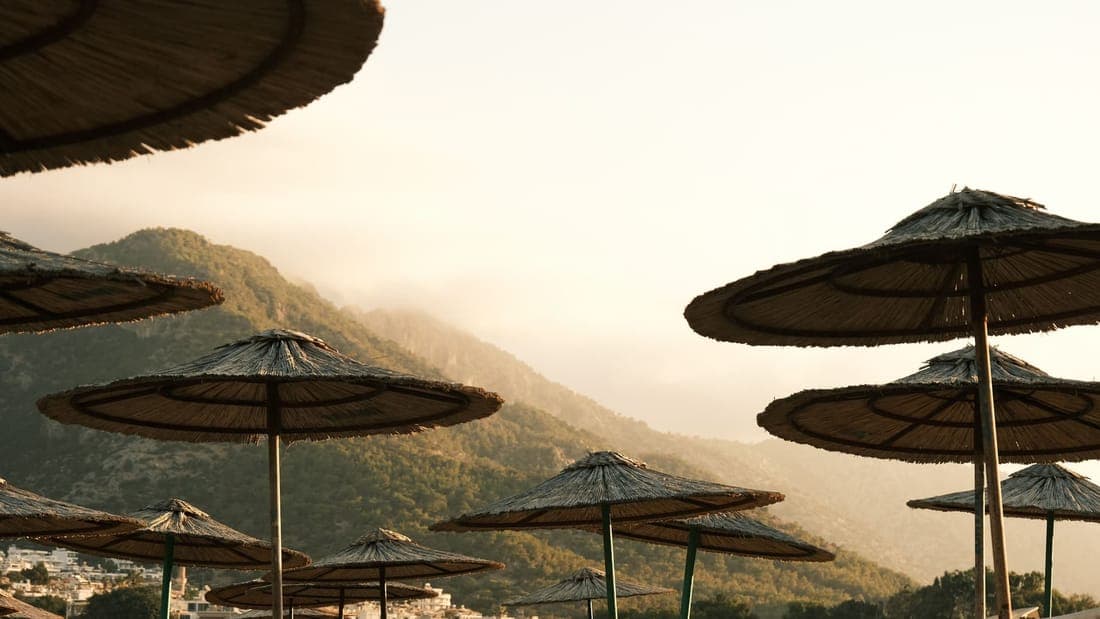
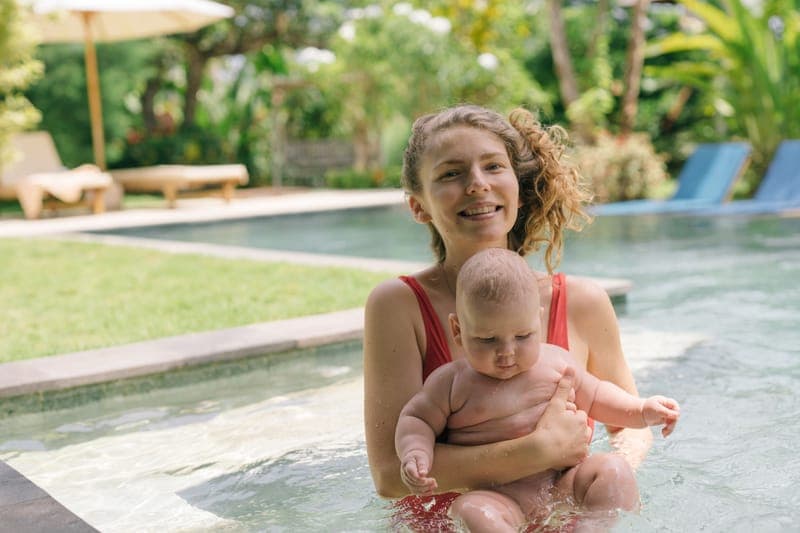
Photos on this page are licensed images that illustrate the category. They are not photographs of the specific products named, and no product image here is supplied by a manufacturer or retailer.
Why babies are different
Infant skin is thinner and has less melanin than an older child's, so it burns faster and at lower exposure. Babies also cannot move themselves into shade, cannot tell you they are uncomfortable in any useful way, and overheat more readily.
That is why pediatric guidance inverts the order most adults use. The American Academy of Pediatrics advises keeping babies under 6 months out of direct sunlight, using shade and clothing as the primary protection, and applying a small amount of sunscreen to exposed areas such as the face and backs of the hands when adequate shade and clothing are not available.
We are not a medical source and this page is not medical advice. Read the AAP's own guidance, and ask your pediatrician about sunscreen for a baby under 6 months — that is a question for a clinician rather than a gear site.
Step 1 — shade, and it is not optional
Shade is the first purchase for a lake day with a baby, ahead of any garment. A baby in full midday sun in an excellent rash guard is worse off than a baby in shade in an ordinary one.
- A beach umbrella or a pop-up shade tent that can be moved as the sun does.
- A canopy on a baby float, which is the actual reason to buy one — see the pick above.
- A stroller or carrier sunshade, checking that airflow is not blocked, because a covered stroller gets hot fast.
- Natural shade, which moves through the day — check where it will be in two hours, not just where it is now.
And avoid the middle of the day. Late morning to mid-afternoon is when UV peaks, and simply shifting a lake trip earlier or later does more than any product on this page.
Step 2 — fabric
Fabric is the next layer and the one you can rely on, because it does not wash off, get missed or need reapplying. For a baby that reliability matters more than for anyone else.
- A long-sleeve UPF 50+ top, or a suit with the sun protection built in. Shoulders and upper back are where they burn.
- A wide-brim hat with a neck flap. The back of the neck is the most commonly missed area on a baby.
- Sunglasses, if the baby will tolerate them — and many will not, in which case the hat brim is doing the work.
- A suit with a built-in swim diaper, which removes the waistband gap where a separate diaper and top leave skin exposed.
- Loose, light layers out of the water, which is cooler than bare skin in sun.
Prefer garments where the UV protection is built into the knit rather than applied as a treatment, because treatments wash out and a baby's clothes get washed constantly. See UPF ratings explained.
Step 3 — sunscreen on what is left
For the areas fabric and shade cannot cover — face, ears, backs of hands, tops of feet — sunscreen is the remaining tool. For a baby under 6 months, ask your pediatrician about what and how much; the AAP's position is that a small amount on exposed areas is appropriate where shade and clothing are not available.
General practice worth knowing: mineral sunscreens based on zinc oxide or titanium dioxide are commonly recommended for young children, and any sunscreen needs reapplying after swimming regardless of what the bottle claims about water resistance.
The back of the neck, the ears and the tops of the feet are the three spots most often missed. Check them specifically rather than assuming.
Heat, which matters as much as sun
A baby in shade can still overheat. Watch for flushed skin, unusual fussiness or lethargy, and fewer wet diapers than normal, and get out of the heat if you see them.
Practical measures: keep sessions short, offer feeds more often than usual, avoid the hottest part of the day entirely, and make sure a shaded area actually has airflow. A zipped shade tent in still air is hotter than open shade.
What we recommend
Shade first — an umbrella or a canopy, and go outside the peak hours. Then a long-sleeve UPF top, a wide-brim hat, and a suit with no waistband gap. Then sunscreen on the face, ears, hands and feet, having asked your pediatrician if the baby is under 6 months.
Short sessions, frequent feeds, and go home before anyone is miserable. The full packing list is in baby first lake day checklist.
SwimWays Baby Spring Float
A fabric-seated baby float with an inner spring frame and a removable sun canopy — shade is the point.
Specifications
- Age
- Approx. 9-24 months
- Seat
- Fabric, leg holes
- Canopy
- Removable, UPF-rated
- Frame
- Inner spring, folds flat
What works
- The canopy is the reason to buy it — a baby on open water needs shade more than anything else
- Fabric seat with leg holes holds a baby upright rather than letting them slump
- Spring frame folds flat into a bag, so it travels
- Wide base is stable in calm water
What doesn’t
- Not a flotation device and gives no protection if it tips — an adult stays within arm's reach, always
- Calm water only; useless in chop or wake
Who it’s for
Babies from about nine months on a calm lake edge or in a pool, with an adult in the water.
Bottom line
A shade tool, not a safety device. On a boat or in open water a baby needs a USCG-approved infant vest instead.
i play. by green sprouts Baby Swimsuit
A UPF 50+ baby swimsuit with the reusable swim diaper built in — one garment, no waistband gap.
Specifications
- UPF
- 50+
- Swim diaper
- Built in, reusable
- Sizes
- 3 months to 3T
- Closure
- Shoulder snaps
What works
- Removes the gap between diaper and suit where babies get sunburnt
- Shoulder snaps make changing a wriggling baby genuinely faster
- Meets the snug-containment standard most baby swim classes require
- One garment to pack instead of two
What doesn’t
- Whole suit has to come off to deal with the diaper
- Slower to dry than a separate suit and diaper
Who it’s for
Babies in swim classes or short lake sessions.
Bottom line
Great for a thirty-minute class. For a whole day out, separates are more practical.
Coolibar Mini Blake Kids' Rash Guard
Coolibar's certified UPF 50+ knit in a soft toddler cut, for the age when skin is thinnest.
Specifications
- UPF
- 50+, built into the fabric
- Fit
- Soft toddler cut
- Sleeves
- Long
- Certification
- Skin Cancer Foundation Seal
What works
- Same certified knit as the adult and older-child ranges, not a lesser toddler fabric
- Soft enough not to irritate very young skin
- Wide neck opening so it clears a toddler's head without a fight
- Holds its rating through the wash cycles a toddler garment actually gets
What doesn’t
- Expensive for a garment outgrown in a single season
- No zip version in the smallest sizes
Who it’s for
Babies and toddlers spending real time outdoors, where sunscreen alone is not the right answer.
Bottom line
For a baby, fabric coverage beats sunscreen on the parts it covers. Worth the price for the youngest children only.
i play. by green sprouts Baby Rashguard Shirt
A simple UPF 50+ baby swim shirt from the brand that dominates baby swim gear, at a price you can buy two of.
Specifications
- UPF
- 50+
- Sizes
- 6 months to 4T
- Sleeves
- Long and short options
- Fabric
- Quick-dry polyester blend
What works
- Cheap enough to own a dry spare, which matters more than fabric quality with a baby
- Matches the same brand's swim diapers and swimsuits for sizing
- Quick-dry fabric so a wet shirt is not a cold shirt
- Simple pull-on with a wide neck
What doesn’t
- Thinner than Coolibar and the rating is a fabric claim rather than a third-party seal
- Colors fade noticeably after a season
Who it’s for
Babies who need sun cover on ordinary days rather than all-day beach exposure.
Bottom line
The budget baby pick. Two of these beats one premium shirt when half your wardrobe is always wet.
Questions
Frequently asked questions
Can you put sunscreen on a baby?
What is the best sun protection for a baby at a lake?
Do baby floats with canopies actually help?
How do I know if my baby is overheating?
Sources
Read next