Life Jackets & Safety · Roundup
Best Life Jackets for Kayaking (2026)
A paddling vest is cut away where a paddle stroke goes. That is the entire difference.
The short answer
The Onyx MoveVent Dynamic is the kayaking pick: a USCG-approved Type III vest with high armholes that clear the paddle stroke and a mesh back panel that does not fight a seat. For a child in a kayak or on a paddle board, a Type III youth vest with a crotch strap is the right category.
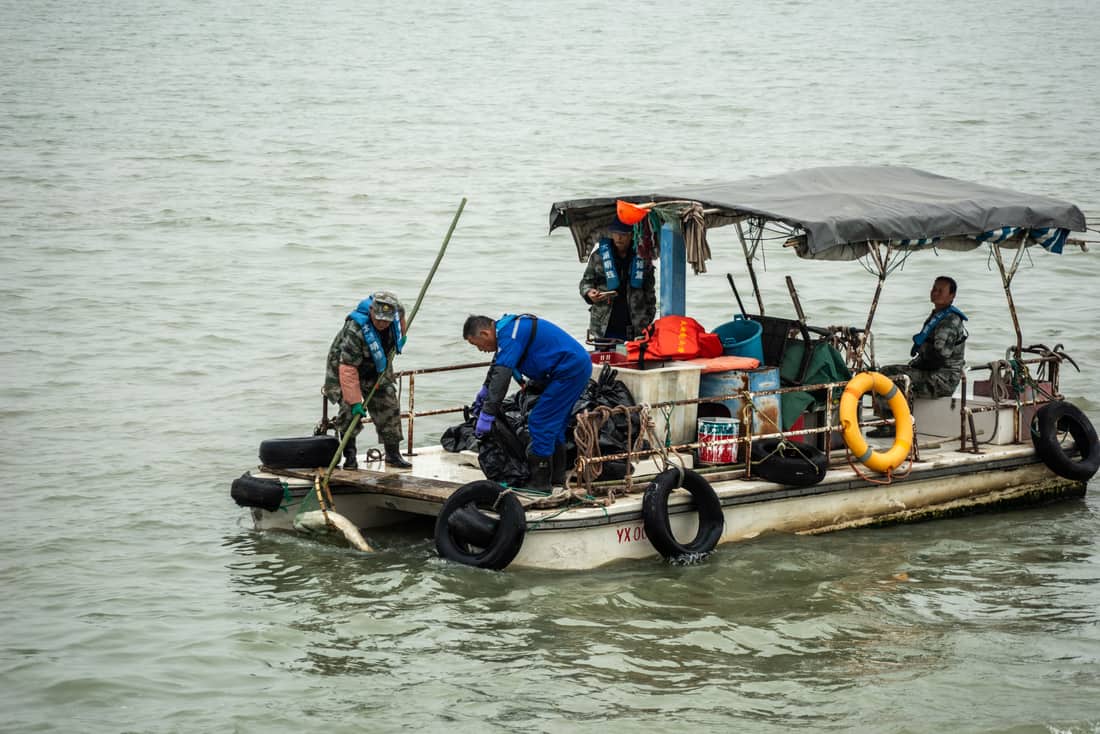
Product photos are the retailer’s own catalogue images, shown from the retailer’s servers and refreshed daily. Any other photo here is a licensed image that illustrates the category, not a photograph of the specific product named.
| # | Product | Best for | USCG class | Price |
|---|---|---|---|---|
| 1 | 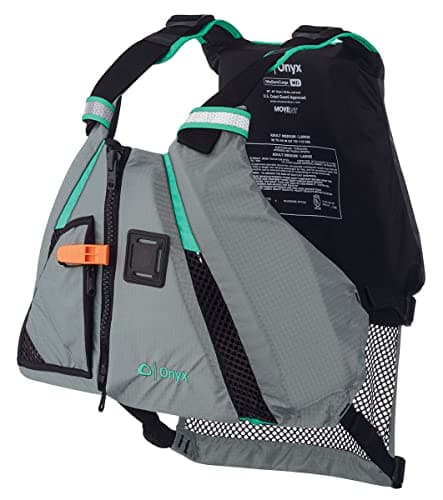 Top pick Onyx MoveVent Dynamic Paddle Vest A ventilated paddling vest with high-cut armholes, so you can actually swim, paddle and lift children in it. | Adults who are active | Type III, approved | |
| 2 | 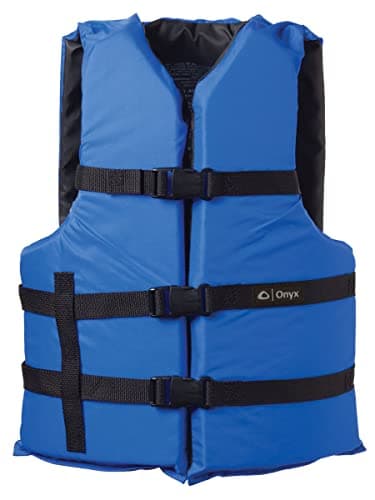 Budget pick Onyx General Purpose Vest The plain, cheap, USCG-approved adult vest you keep three of in the boat locker. | Spare jackets for guests | Type III, approved | |
| 3 | Also good Stearns Youth Classic Series Vest The plain nylon boating vest: three buckles, a leg strap, and enough flotation to be the one you tow behind a boat in. | 50-90 lbs, boating | Type III, approved | |
| 4 | 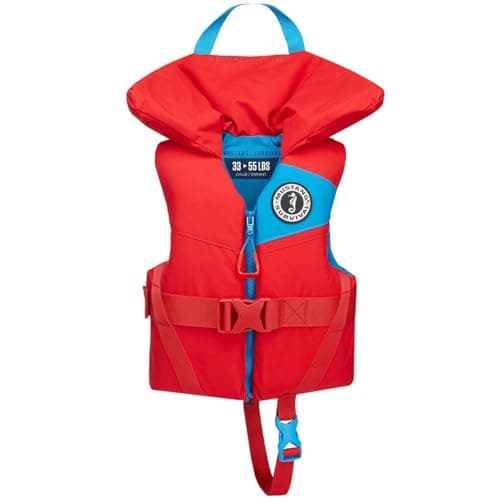 Also good Mustang Survival Lil' Legends 70 A softer, better-shaped child vest from a marine-safety brand — noticeably more comfortable than a foam-panel jacket. | Long days on a boat | Type III, approved |
Why paddling has its own vest
A general-purpose boating jacket is a block of foam across the chest and back with armholes cut for sitting still. Put it in a kayak and two things go wrong within ten minutes: the foam at the lower back fouls the seat back and pushes you forward, and the armholes catch the inside of your upper arm on every stroke.
A paddle vest moves the foam. The panels sit higher on the torso, the armholes are cut large and high, and the back is thinner or mesh so it clears a seat. It is the same flotation rating and the same approval, in a shape that lets you paddle for three hours without noticing it.
This is not a premium upgrade — paddle vests start at ordinary prices. Buying a general-purpose vest for paddling is the mistake, and it is the most common one on this page.
Onyx MoveVent Dynamic Paddle Vest
A ventilated paddling vest with high-cut armholes, so you can actually swim, paddle and lift children in it.
Specifications
- USCG class
- Type III, approved
- Size
- Adult S/M to XL/2XL
- Ventilation
- Mesh back panel
- Features
- High armholes, pockets, adjustable
What works
- High armholes and a mesh back make it wearable for hours in heat
- Multiple adjustment points get a real fit rather than a universal approximation
- Front pockets hold a phone in a dry bag and a set of keys
- Still a full Type III, so it satisfies the legal requirement
What doesn’t
- Costs several times a universal vest
- Mesh back offers no flotation behind the shoulders, so it sits lower in the water
Who it’s for
A parent who wears a PFD all day — paddling, supervising swimmers, getting in and out of a boat.
Bottom line
The adult vest people actually keep on. Modeling that in front of your children is worth more than the jacket costs.
Onyx General Purpose Vest
The plain, cheap, USCG-approved adult vest you keep three of in the boat locker.
Specifications
- USCG class
- Type III, approved
- Size
- Adult universal
- Shell
- Nylon
- Closure
- Zip plus straps
What works
- Cheapest route to meeting the legal requirement of one wearable PFD per person aboard
- Universal adult sizing covers most guests without a fitting
- Stores flat and survives a locker
- Bright colors that are actually visible in the water
What doesn’t
- Basic foam construction is hot and restrictive for a full day
- Universal sizing fits nobody especially well
Who it’s for
Boat owners who need spare approved jackets for passengers.
Bottom line
Buy these as spares, not as your own jacket. Legal compliance is the job and it does it.
Stearns Youth Classic Series Vest
The plain nylon boating vest: three buckles, a leg strap, and enough flotation to be the one you tow behind a boat in.
Specifications
- USCG class
- Type III, approved
- Weight range
- 50-90 lbs
- Shell
- Durable nylon
- Closure
- 3 buckles plus leg strap
What works
- Leg strap is what stops a vest riding up over a child's head in a hard fall — do not buy a towing vest without one
- Nylon shell survives dock boards, boat carpet and a season of sun
- Three buckles let you tighten it properly at the chest and waist separately
- Cheap enough to buy one per child rather than sharing
What doesn’t
- Bulkier and hotter than a swim-focused vest, so kids take it off between rides
- Foam panels restrict arm movement, so it is poor for actual swimming
Who it’s for
A 50-90 lb child on a boat, on a towable tube, or on a dock.
Bottom line
The right jacket for boating and towing. For swimming, a Puddle Jumper or swim vest is more wearable.
Mustang Survival Lil' Legends 70
A softer, better-shaped child vest from a marine-safety brand — noticeably more comfortable than a foam-panel jacket.
Specifications
- USCG class
- Type III, approved
- Weight range
- 30-50 lbs and 50-90 lbs options
- Shell
- Soft, segmented foam
- Closure
- Buckles plus crotch strap
What works
- Segmented foam bends with the body instead of holding a child in a rigid block
- Made by a company whose main business is commercial marine survival gear
- Crotch strap and a collar grab handle both included
- Comfortable enough for a full day out, which is what keeps it on
What doesn’t
- Two to three times the price of the basic Stearns vest
- Sizing runs slim; a stocky child may need the next band up
Who it’s for
A family that spends whole days on the water and has lost the argument about wearing the cheap vest.
Bottom line
Worth it if your child takes the vest off every twenty minutes. Otherwise the Stearns Classic is the same safety rating for far less.
Type III is what you want, and what it is not
Almost every paddling vest is a Type III, now also labeled by performance level under the newer USCG labeling scheme. Type III gives you enough buoyancy to float a conscious person who can keep their own head up, in calm or protected water, with help nearby.
What a Type III does not do is turn an unconscious person face-up. That is a Type I or Type II job, and it is why infants get Type II vests with head-support collars rather than the sleek adult shapes. If you are paddling a long way from shore, or on cold water where a swim would be short-lived, the honest answer is a higher-performance jacket, not a nicer Type III.
Inflatable belt packs and suspenders are also sold for paddling. They are approved for adults only, they do nothing until they inflate, and they are a poor choice for anyone who might be knocked out going in. The whole classification is laid out in USCG life jacket types, and the approval markings are in how to tell if a life jacket is Coast Guard approved.
What to look for
- A USCG approval statement printed inside the vest. No statement, no purchase — see the approval page above.
- High, large armholes, which is the single feature that distinguishes a paddle vest.
- A thin or mesh lower back, so the vest does not fight a kayak seat.
- Adjustment at the sides and shoulders. Six adjustment points is normal on a paddle vest and all of them matter.
- A front pocket you can reach while seated, for a whistle and a phone in a dry bag.
- A bright color. Visibility to a motorboat is the real safety feature, not an aesthetic choice.
- A crotch strap on any child's vest, without exception.
Fit, tested on land in two minutes
Put the vest on, do up every buckle, and tighten the side straps until it is snug. Then have somebody pull up firmly on the shoulder straps. If the vest slides up past your chin or over your ears, it is too big — and a vest that does that on a dock will come off over your head in the water.
Adult vests are sized by chest measurement, so measure rather than guessing from a shirt size. Children's vests are sized by weight, not age or height, and the weight bands are narrow for a reason: a jacket above a child's band rides up, and one below it does not float them. The bands and the method are in life jacket sizing by weight.
Then test it in shallow water before the trip. A vest that passes the land test and still pushes at your chin when you are floating is the wrong vest for you, and finding that out on a dock beats finding it out in the middle of a lake.
Kayaking and paddle boarding are not the same
| Kayak | Paddle board | |
|---|---|---|
| Seat interference | Yes — thin back panel matters | None; you stand |
| Stroke clearance | Critical | Important |
| How often you go in | Rarely, and reentry is hard | Often, and reentry is easy |
| Common vest choice | Type III paddle vest | Type III paddle vest or belt pack (adults) |
| Legal requirement | Approved jacket on board for each person | Same, in most states |
In most states a paddle board counts as a vessel, which means an approved life jacket is required on board for each person — and for children, worn rather than stowed. State rules differ on the age cutoff and on whether adults must wear or merely carry, so check your own state's regulation before assuming.
Buying for a family that paddles together
The practical set is one paddle vest per adult who paddles, a correctly weight-banded Type III per child, and a cheap general-purpose vest or two for guests who will spend their day in a chair on the dock. That last point is where the money gets saved: guest jackets do not need to be paddle-cut.
If anyone in the group is towing a tube rather than paddling, that is a different vest and a different ruleset — the towing requirements are in towable tube safety and the adult picks in best adult life jackets.
Questions
Frequently asked questions
What kind of life jacket is best for kayaking?
Do you have to wear a life jacket in a kayak?
Is a Type III life jacket enough for kayaking?
Are inflatable life jackets good for paddle boarding?
How tight should a kayaking life jacket be?
Sources
Read next